CHINA · XI'AN · HUAQING PALACE 华清宫
Huaqing Palace & Song of Everlasting Sorrow
From the Qin Shi Huang Mausoleum to an evening performance at Huaqing Palace
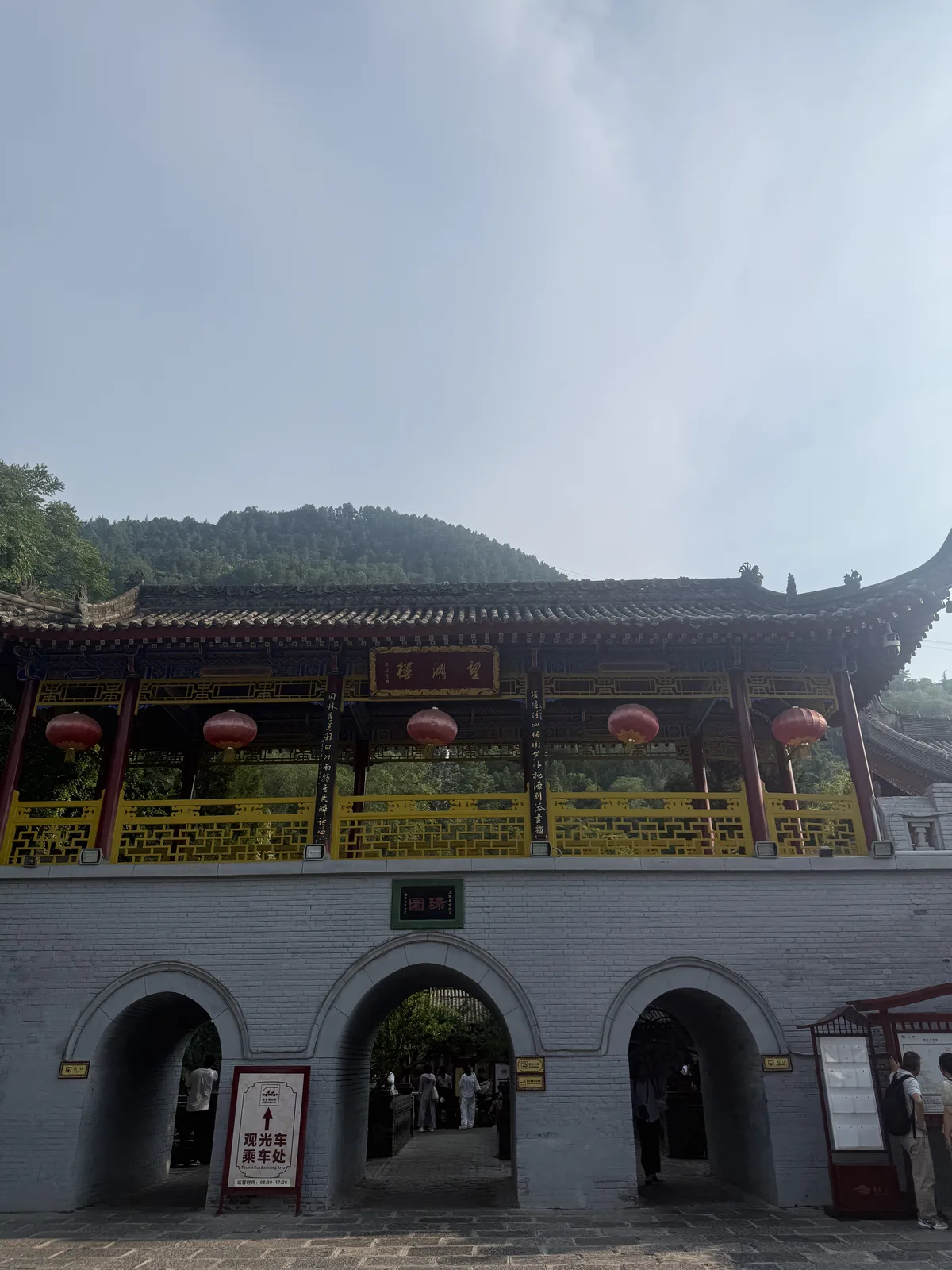
After the Terracotta Army and Qin Shi Huang Mausoleum, I continued to Huaqing Palace (华清宫). The atmosphere changes completely here—from Qin history to the Tang Dynasty romance of Emperor Xuanzong and Yang Guifei, the Xi'an Incident, and finally the outdoor Song of Everlasting Sorrow (长恨歌) performance.
01 I negotiated the taxi fare with rock-paper-scissors
DiDi showed about RMB 20 to Huaqing Palace. A nearby taxi driver first asked for RMB 50, then dropped to RMB 30. I kept offering RMB 25.
Finally I suggested: “Rock-paper-scissors. If you win, 30. If I win, 25.” He agreed. I won.
On the way we kept talking through a translation app. He told me that if I already had a show ticket I would not need separate daytime admission to Huaqing Palace, and he was surprised by how much I had paid. I told him I had booked that day and had already paid, so there was nothing to change. By the time we arrived, we had even added each other on WeChat.
02 I booked Huaqing Palace + the show on Trip.com
I booked both Huaqing Palace admission and the Song of Everlasting Sorrow through Trip.com. My total was about US$78 (KRW 110,000).
I chose the first performance at 20:10 because I did not want to risk missing the subway after a later show. When I booked, the central section was only about US$7–14 (KRW 10,000–20,000) more than the side seats. Since I had come this far, I decided the central section was worth the extra cost.
03 Palace admission and show ticket were checked separately
At the entrance I was sent to the ticket counter. My first printed ticket turned out to be the performance ticket, so I went back and used a translation app to ask about palace admission. The staff issued the separate entry ticket and warned me that daytime admission closed at 19:00.
I then misread 17:30 as 18:30 and rushed inside thinking I had only 30 minutes left. I discovered the mistake later.
When I checked later, the show ticket alone did not include daytime admission to Huaqing Palace when I visited.
04 Huaqing Palace holds both ancient and modern history
After the first view inside the gate, I continued deeper into the grounds and reached the pond and traditional buildings.
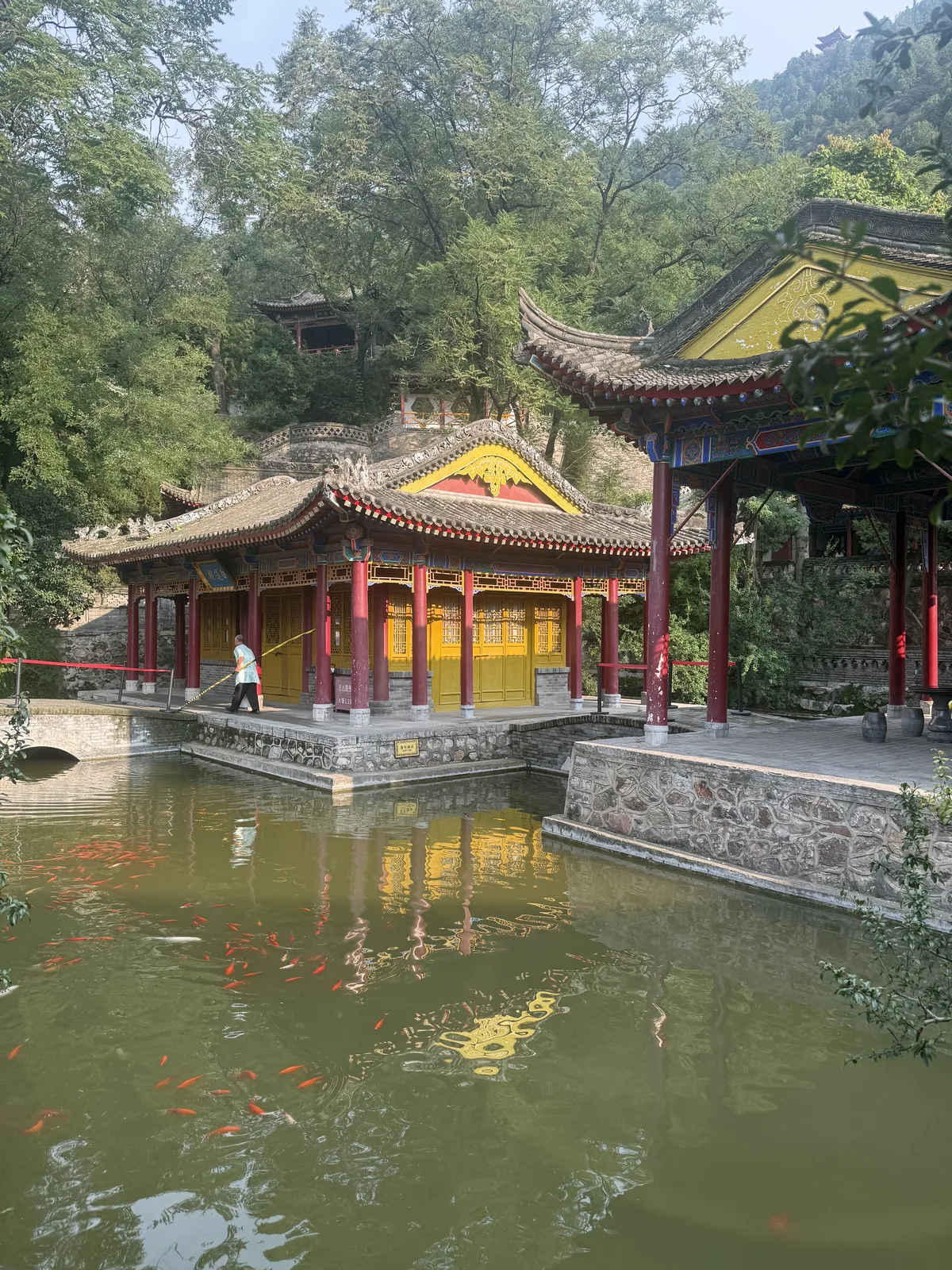
From here I followed the path uphill to the site associated with Chiang Kai-shek.
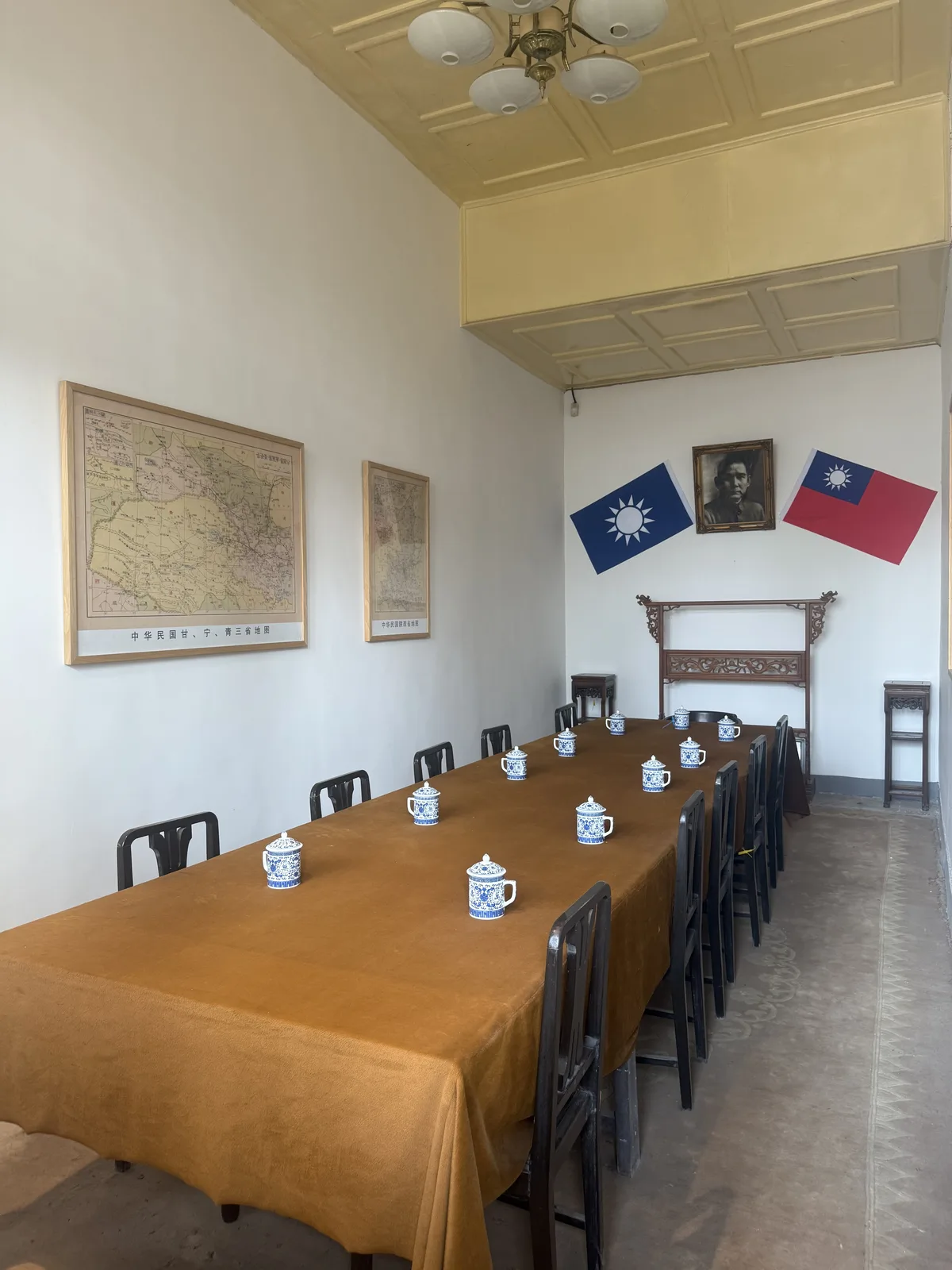
After this area I kept walking, looking for the trail entrance up Mount Li (骊山). I skipped the actual climb because I thought I was running short on time.
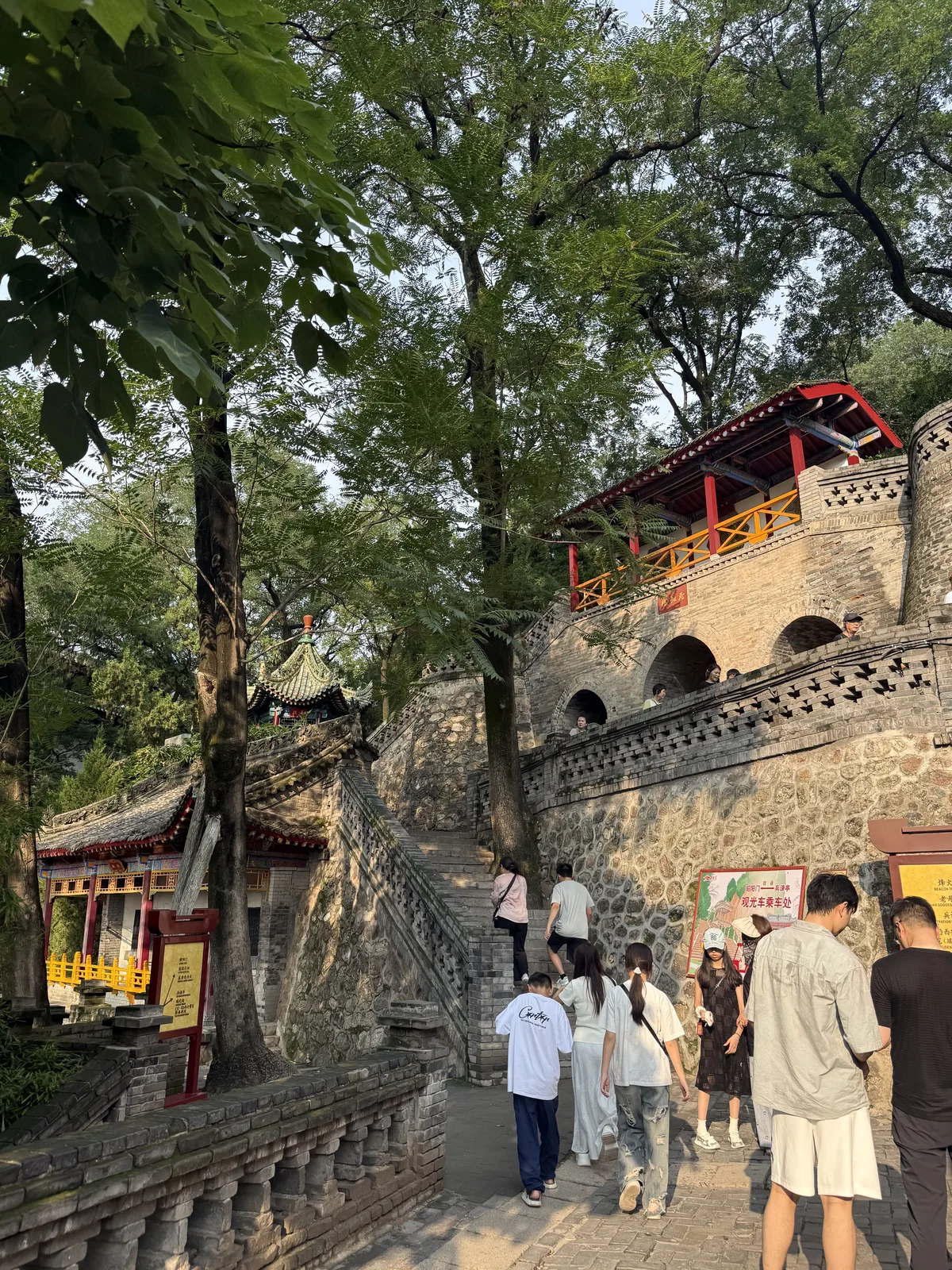
05 I had misread the time by an hour
On the way back down, I asked another visitor for directions by showing a photo of Yang Guifei. Their directions led me back toward the pond and then across the square to the Yang Guifei statue.
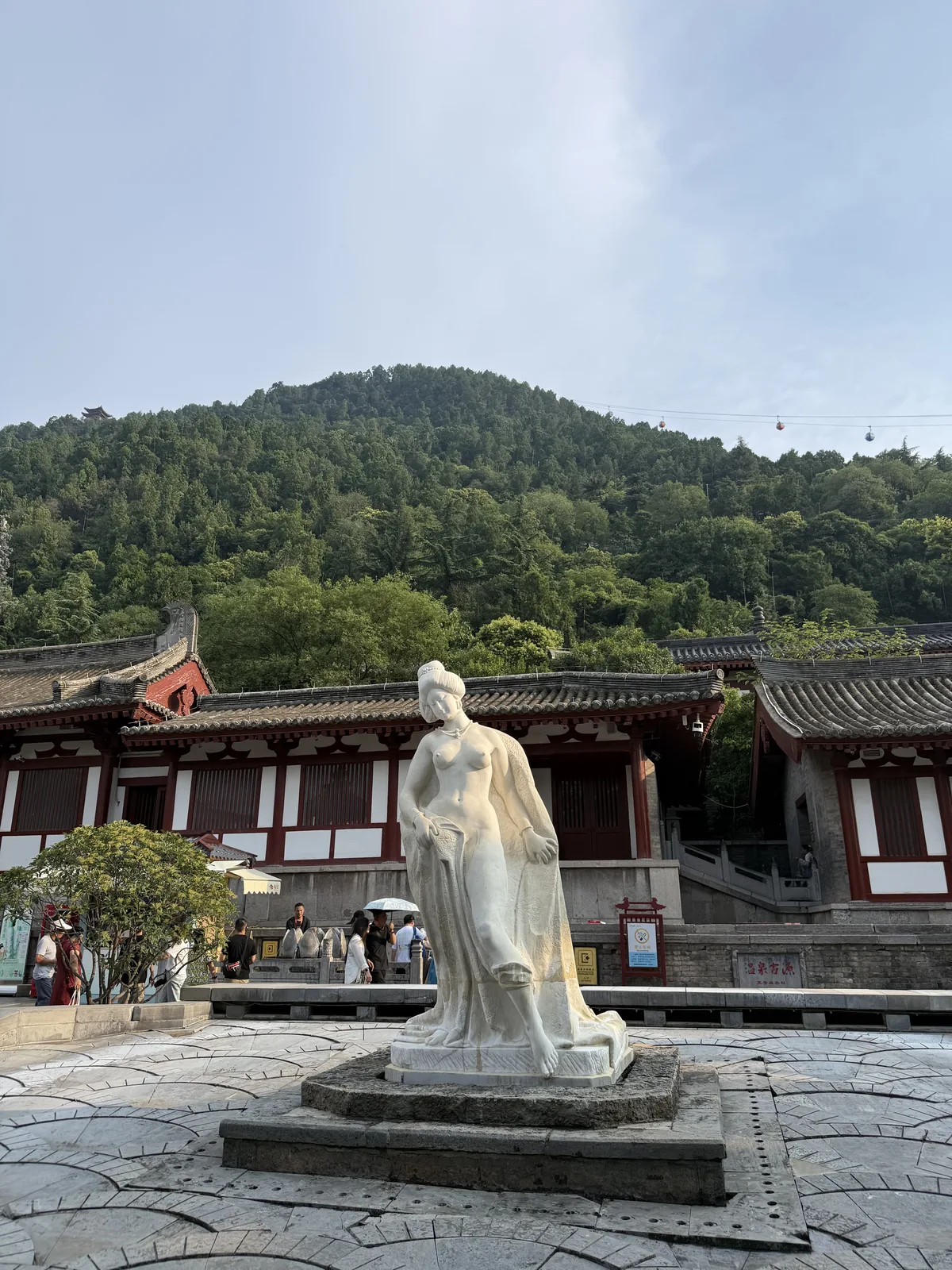
Then I noticed something strange: closing time seemed near, but nobody was rushing.
I checked again. It was not 18:50—it was 17:50. I had somehow added an hour in my head. Half embarrassed and half relieved, I slowed down and explored at a normal pace.
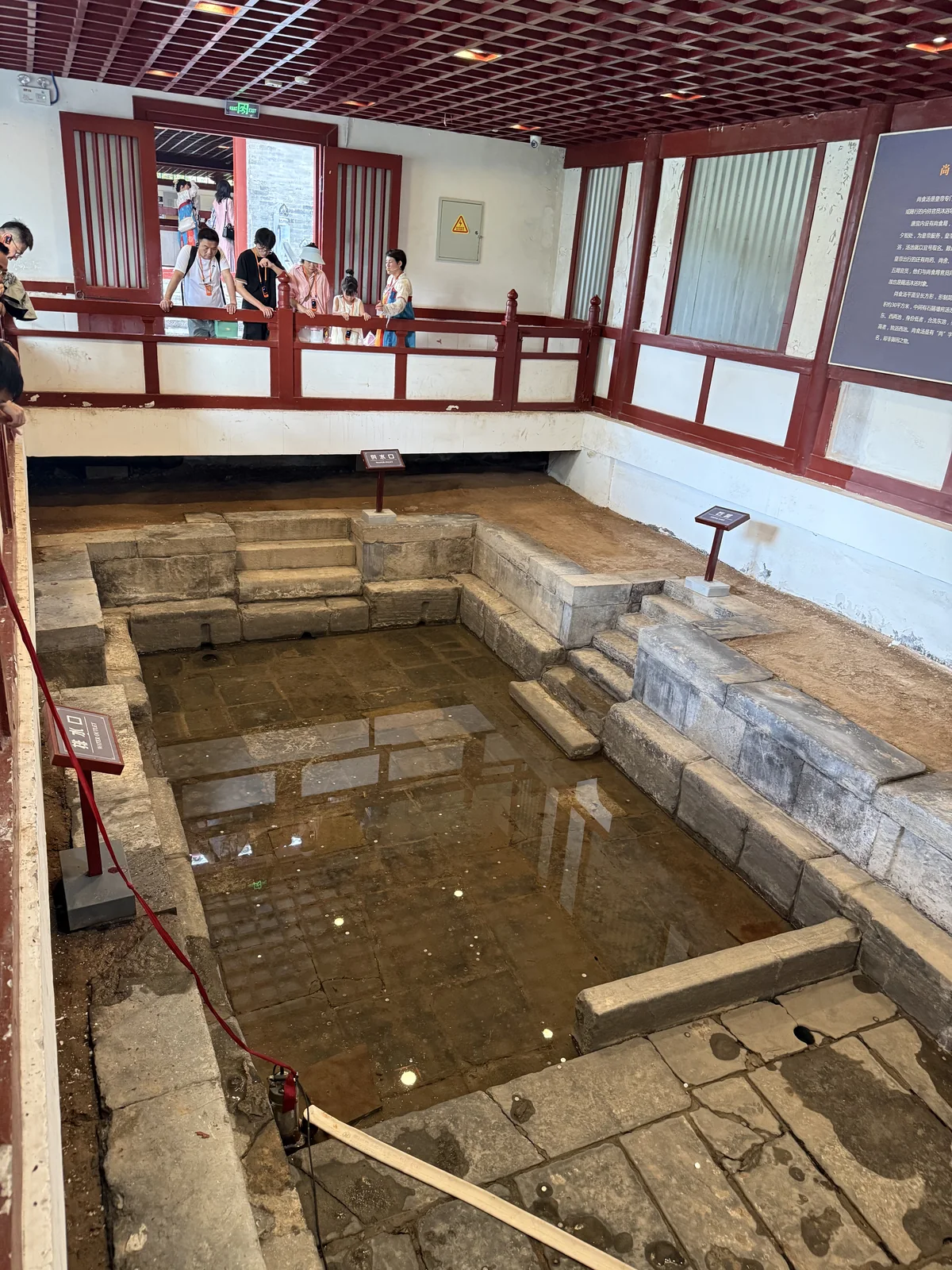
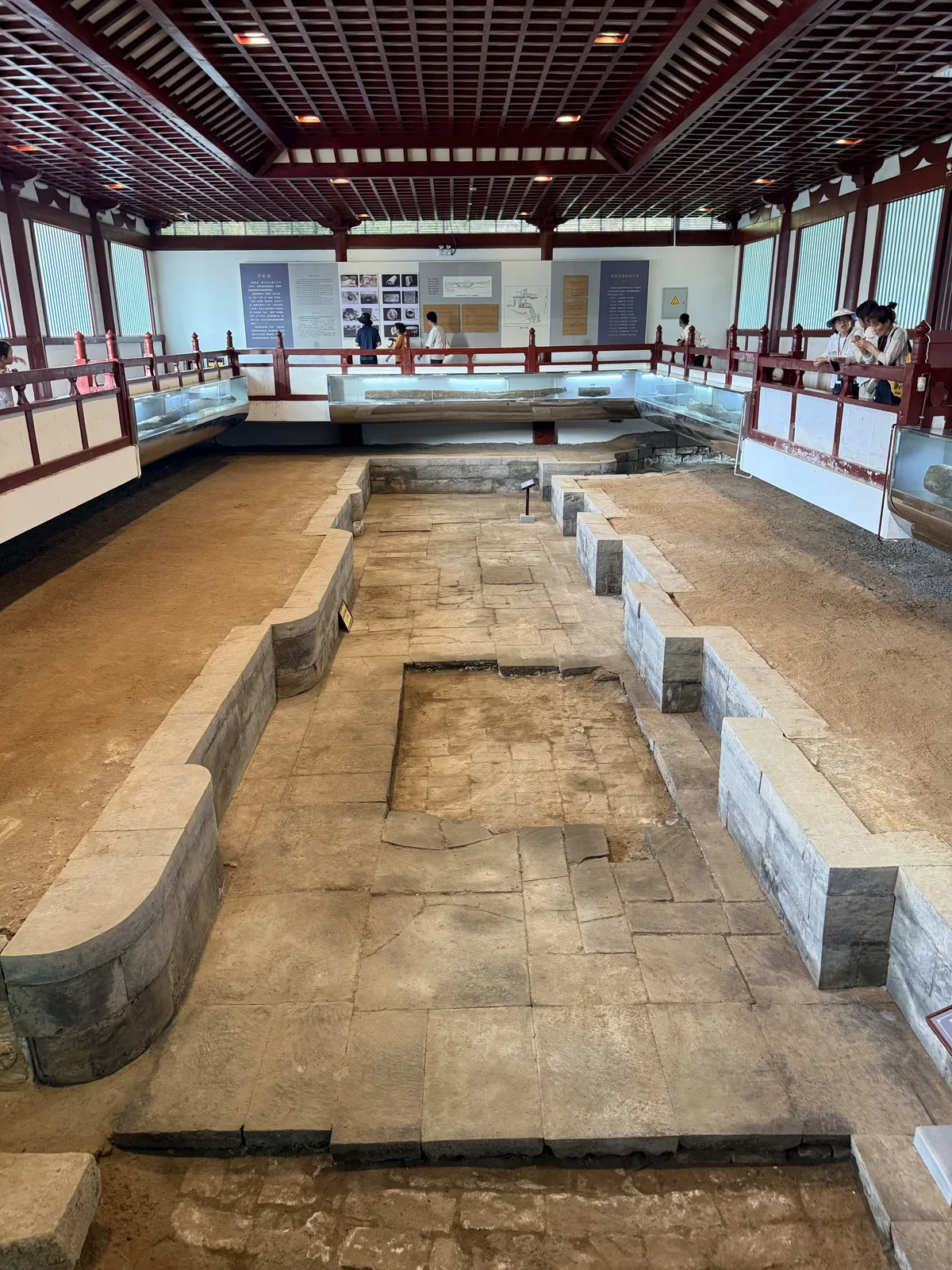
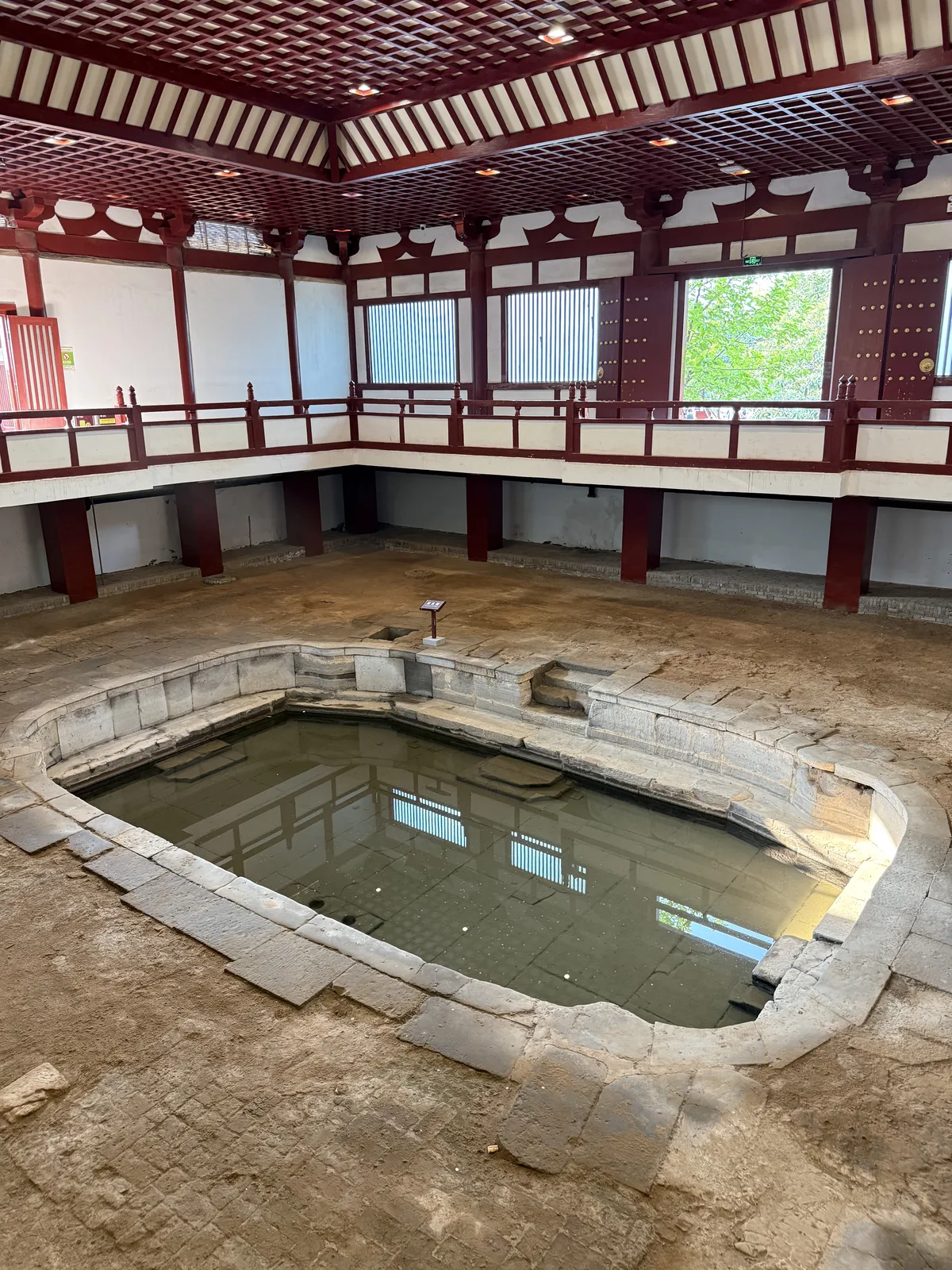
Huaqing Palace also preserves the remains of imperial hot-spring baths associated with the Tang court.
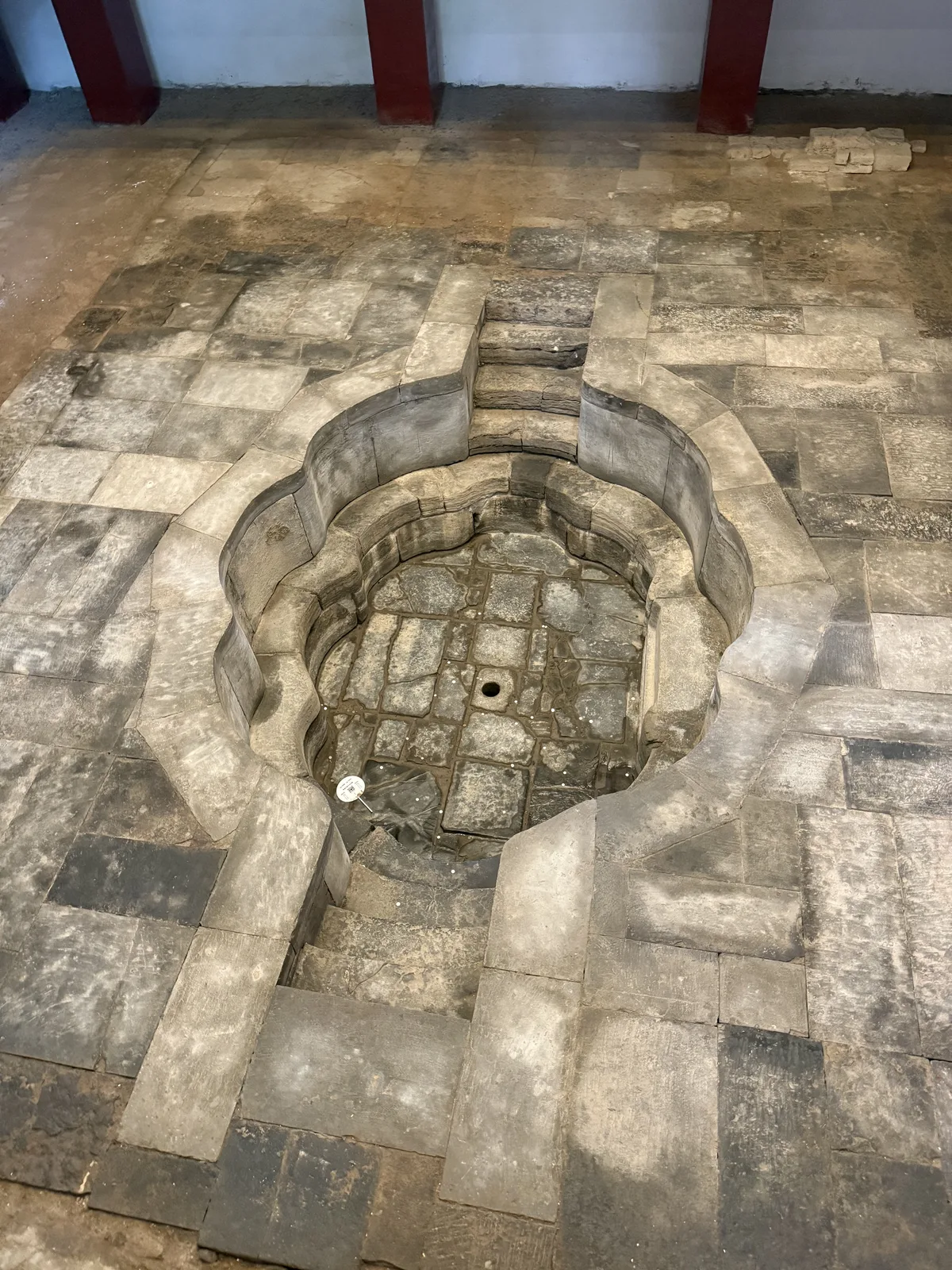
06 Waiting for the show gave me my quietest moment of the day
After exploring the palace and hot-spring remains, I still had about two hours before the performance. A shop told me I could stay inside until the show if I bought a snack box for around RMB 50. I decided not to buy it and went outside instead.
At 19:00, daytime visitors were asked to leave the palace grounds before performance guests were admitted again. I sat in the square instead. The sun was setting and someone was busking nearby.
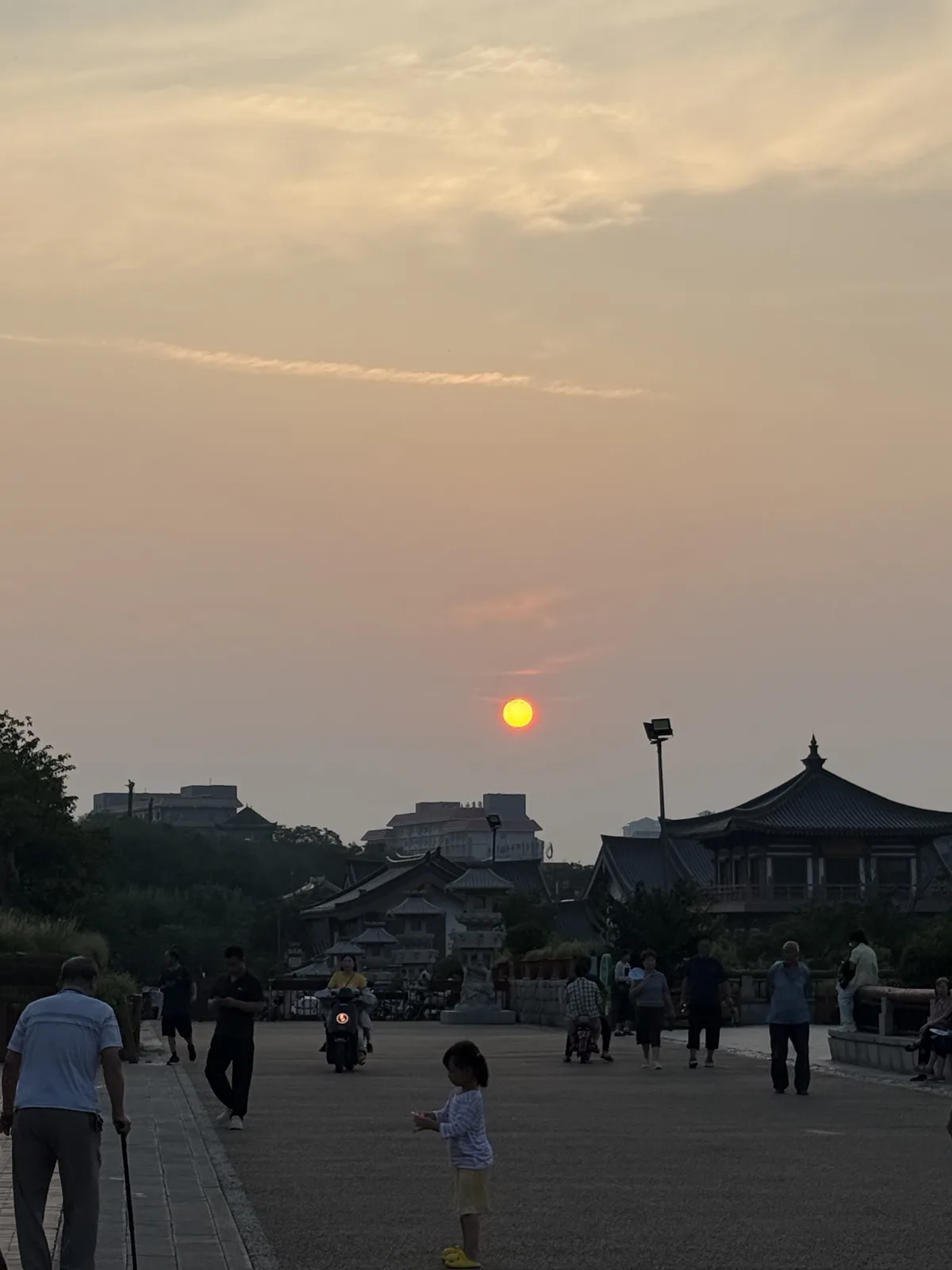
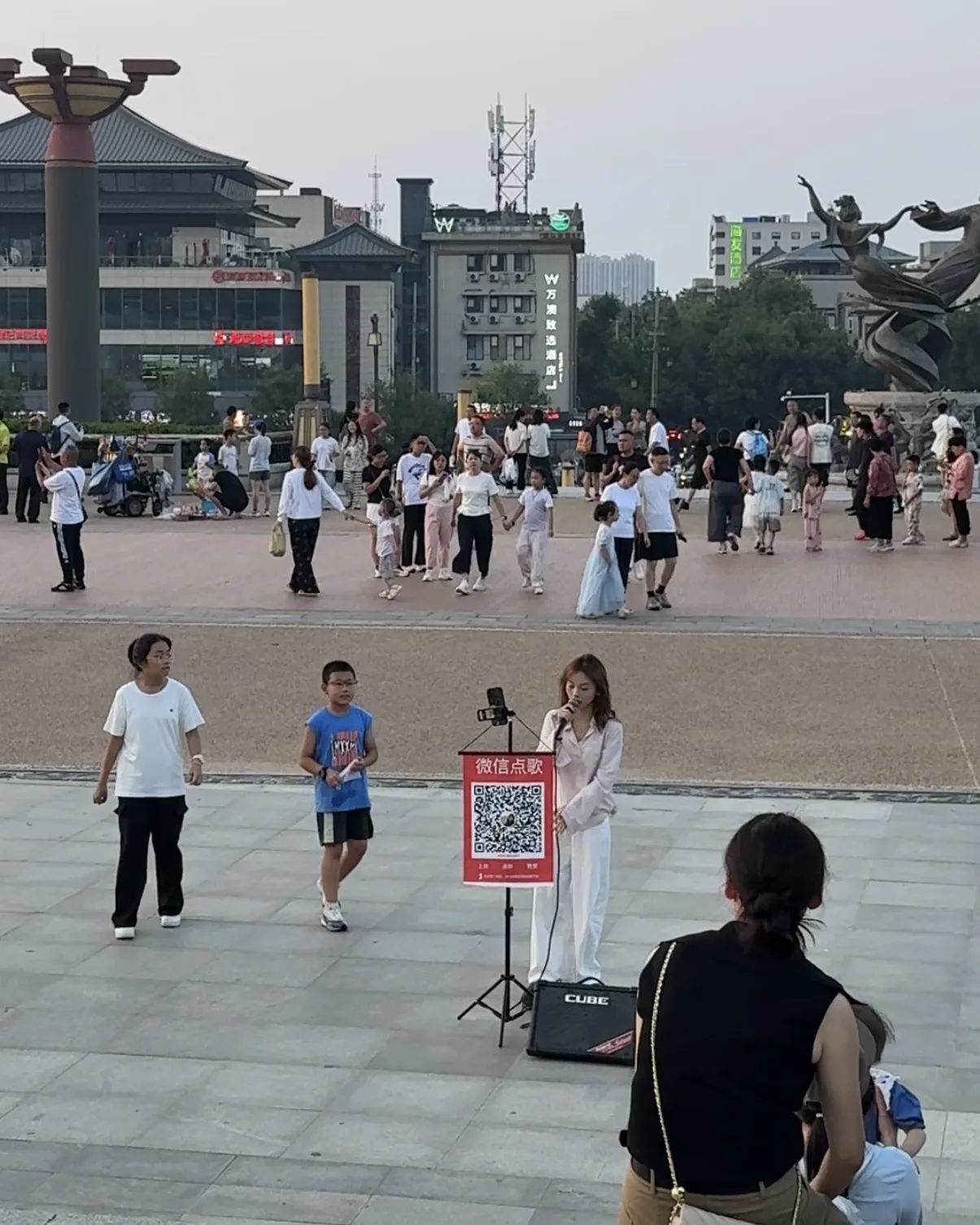
If I had stayed inside the shop, I would have missed this part of the day. After rushing from the Terracotta Army to the mausoleum and then Huaqing Palace, it was the first time I truly slowed down.
07 Know the story before watching Song of Everlasting Sorrow
I queued about 30 minutes before the 20:10 show and entered in roughly 10 minutes. Performers handed out ice cream, and there was some audience interaction before the show began.
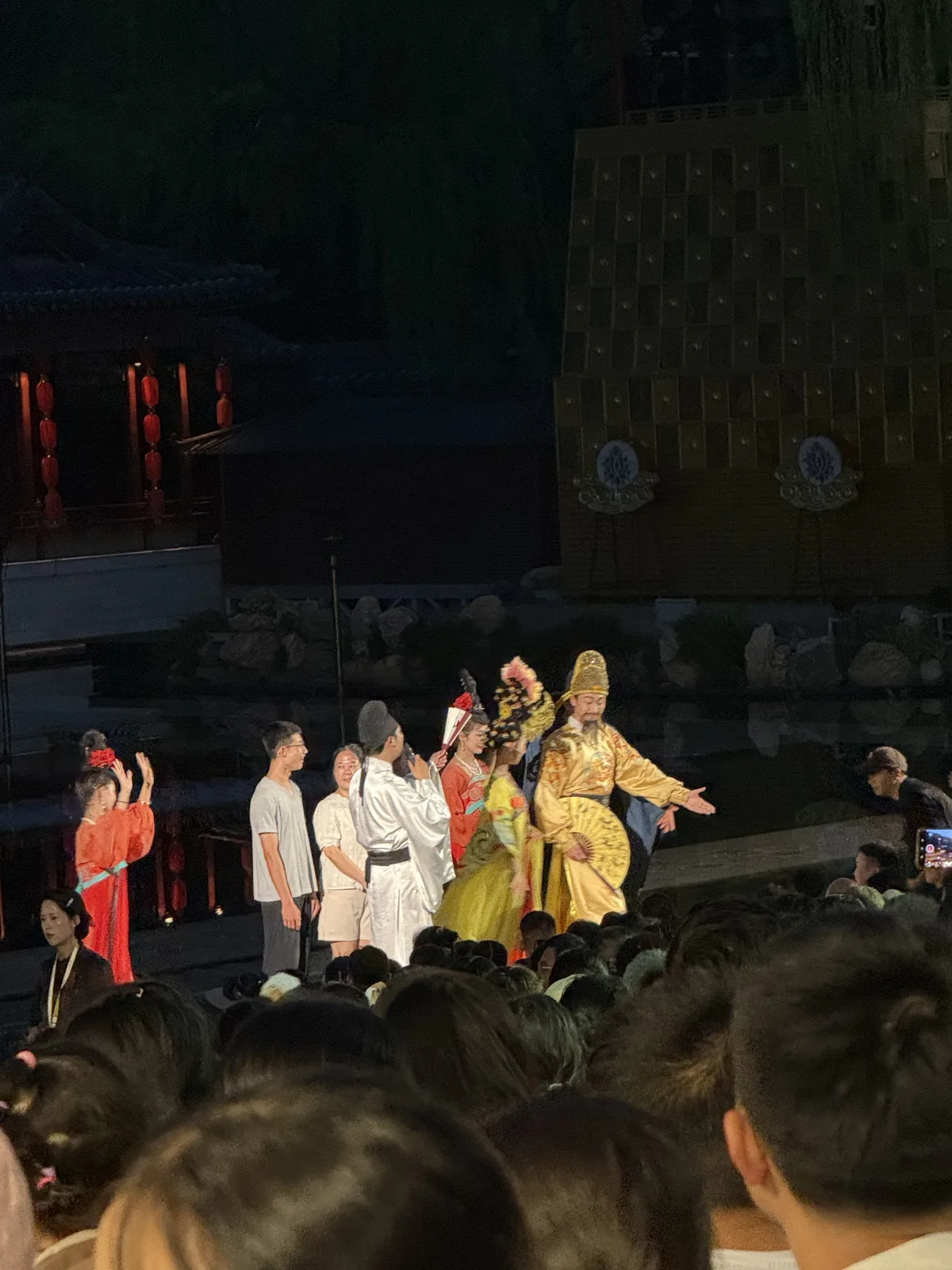
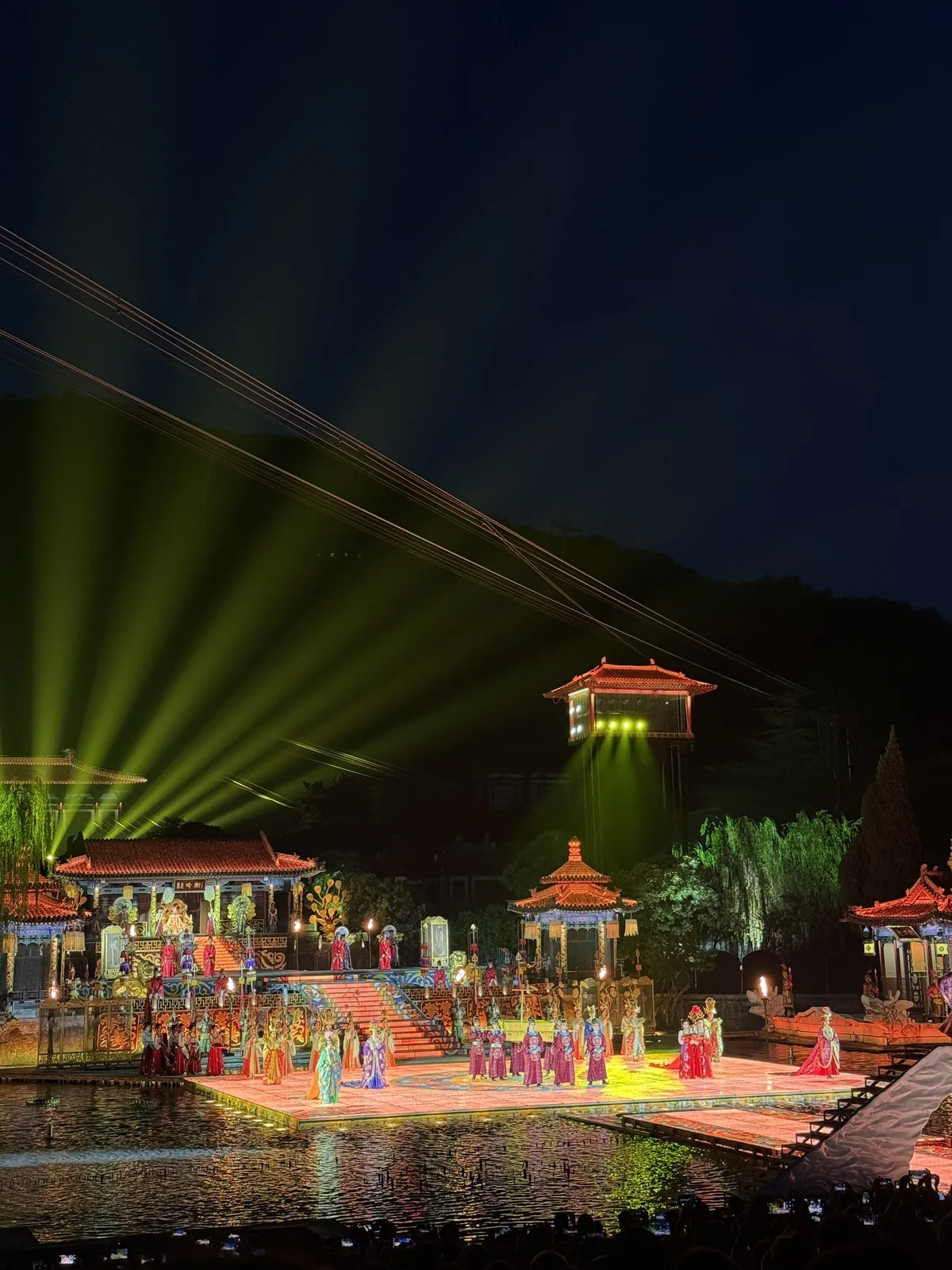
This is not a conventional indoor theater production. The palace, mountain, water, lighting, music and large-scale stage effects turn the actual landscape into the set. The place I had walked through during the day became an enormous stage for the story at night.
The audience was lively—children asked questions and people reacted loudly to dramatic scenes. It felt different from theater etiquette in Korea, but the show itself was loud enough that I soon accepted it as part of the local experience.
08 Back to central Xi'an by subway
I left about five minutes before the end when I saw several other visitors doing the same, hoping to avoid the biggest crowd. From the performance area, I walked down toward the square and took the subway back to central Xi'an. The ride took about one hour.
If you want to do the Terracotta Army, Qin Shi Huang Mausoleum and Huaqing Palace comfortably in one day, I would aim to begin the Terracotta Army around 10:00 or earlier. The hardest thing to predict is not sightseeing time—it is the queues.
The plans, mistakes, conversations and unexpected quiet moments all became part of the day.
STORIES
Traveler stories
Loading…