CHINA · XI'AN 西安 · HUASHAN 华山
Huashan day trip from Xi'an
Train, West Peak cable car, the peak route, North Peak descent and the return to Xi'an
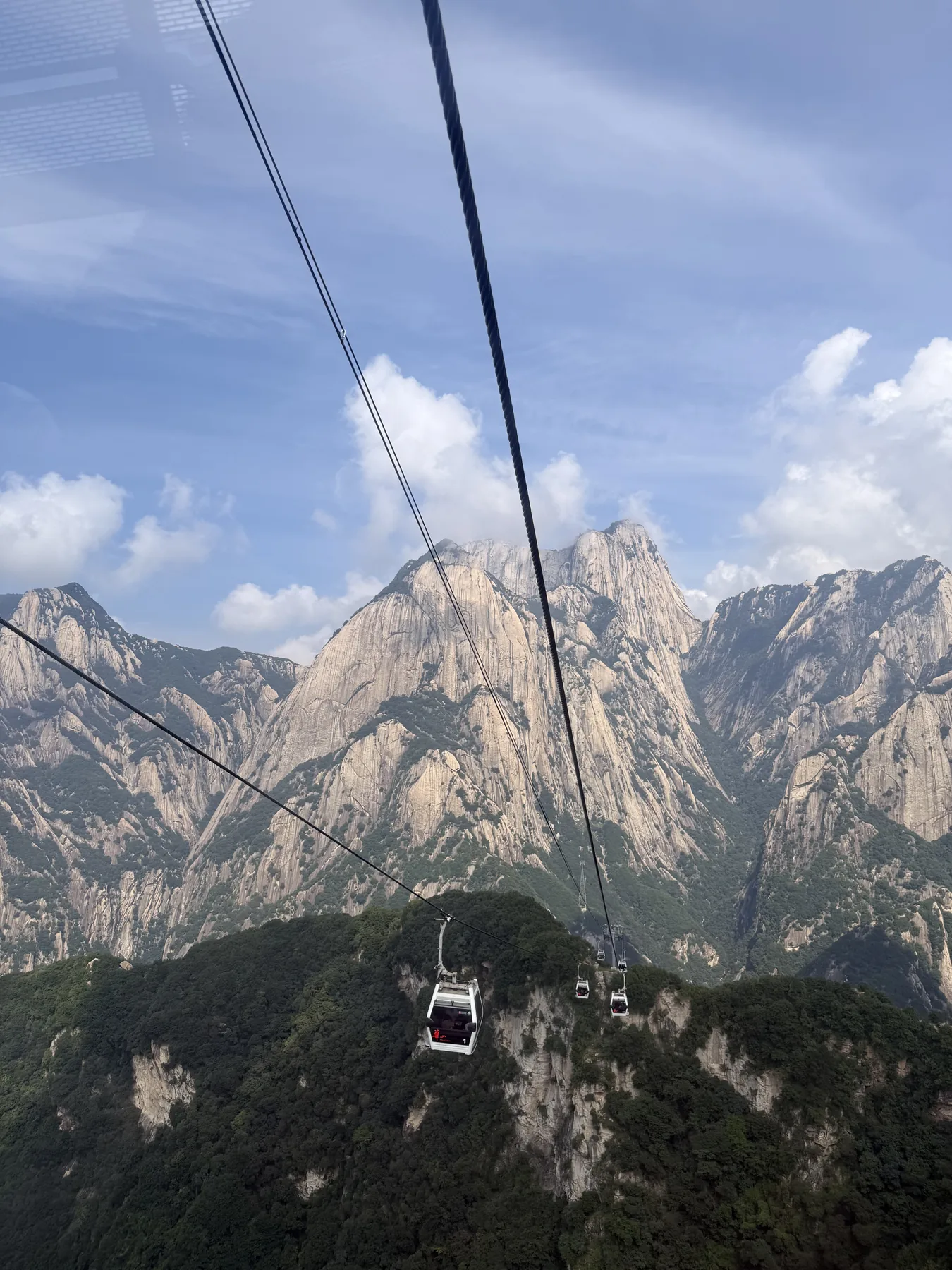
I visited Huashan yesterday, and one thing became very clear: this is a place where a little preparation saves a lot of stress.
That trip is actually what pushed me to finally start this site and write this first guide.
Travel in China can come with a lot of moving parts. Information is not always easy to find, English may not get you very far, translation apps can be awkward, crowds can be huge, and the first time you arrive somewhere it is not always obvious where to go.
I had already spent enough time in China to feel reasonably comfortable, but Huashan still caught me off guard.
I like having a plan, so not knowing what came next was stressful. This guide is meant to save you some of that confusion.
I have kept the practical details, the mistakes and the small surprises because those were exactly the things I wanted to know before I went.
01 The night before, buying the train ticket became a battle
Before going, the basic advice I had found was simple: the bus from Xi'an takes longer, while the high-speed train is much faster, so use the train if you can.
I had also read that the return train from Huashan North could sell out on busy days, so booking the return in advance sounded safer.
I tried to sort out the train and cable-car logistics the night before. For the train, I used Meituan (美团), a widely used app in China.
I entered my passport details, chose a train and paid.
Every step meant screenshots and translation. After almost an hour, I gave up.
My backup plan was simple: go directly to the station the next morning.
“If there is a seat, I’ll go to Huashan. If not, I’ll just spend the day in Xi'an.”
With that mindset, I went to Xi'an North Railway Station the next morning.
02 Start at Xi'an North Railway Station (西安北站)
For a straightforward day trip, I recommend starting from Xi'an North Railway Station (西安北站).
The high-speed train to Huashan North is quick and easy to understand once you know the two station names:
Xi'an North 西安北站 → Huashan North 华山北站
Chinese railway stations can feel chaotic the first time: lots of people, lots of Chinese signage and no immediate sense of where you need to be.
From here on, I’ll follow the exact order I used so you can treat this as a practical route rather than a general description.
03 I bought the train ticket in person at Xi'an North
After getting off the metro, follow the signs toward the railway station. When I visited, I came up the stairs, walked left and found the staffed ticket area on the left-hand side.
Queue there and show the staff this sentence:
你好,我想买最早一班去华山北站的二等座车票。返程请帮我买晚上○点左右从华山北站到西安北站的二等座车票,谢谢。
Hello. I’d like the earliest available second-class ticket to Huashan North Railway Station. For the return, please book a second-class ticket from Huashan North to Xi'an North at around ○:00 p.m. Thank you.
Replace ○ with the return time you want.The staff checked what was available and booked both directions for me. My original round-trip train total was RMB 114.5.
I believed the cable car finished at around 7 p.m., so I booked a return train for about 8:10 p.m. I thought an hour of buffer would be enough.
“Perfect.”
It was not perfect. Later in the day, that 8:10 p.m. ticket became impossible to use.
04 Once you have the ticket, enter with your passport
Chinese passengers commonly enter by scanning their national ID cards. As a foreign traveler, I simply showed my passport to the staff at the entrance.
After the passport check, you go through security. Bags go through the scanner and passengers are screened separately.
One small surprise: the staff kept pointing at the coffee I was holding. I eventually understood that they wanted me to take a sip in front of them.
I did, and that was it. After security, I headed to the gate shown for my train.
05 Don’t panic if boarding opens shortly before departure
At the gate, there was already a huge line even though nobody was being let through.
Boarding started roughly 15 minutes before departure when I visited, and the long line moved much faster than it looked.
If you are traveling with a passport, I recommend using a line with a staff member rather than relying on an automatic ID gate.
Show the passport, enter, then check your carriage number and wait in the correct part of the platform.
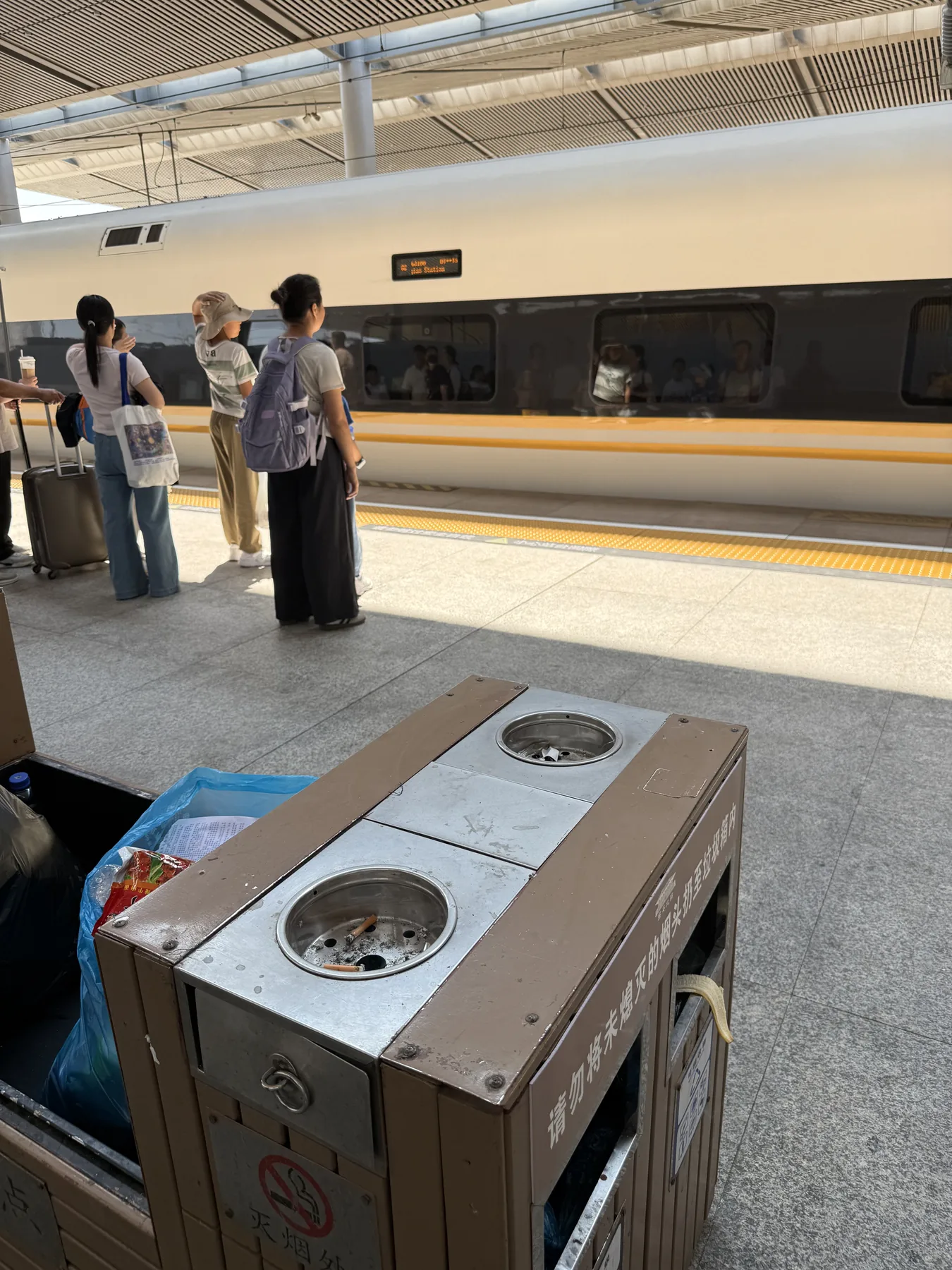
One thing that surprised me was seeing ashtrays on the platform and people smoking there—very different from what I am used to at Korean railway stations.
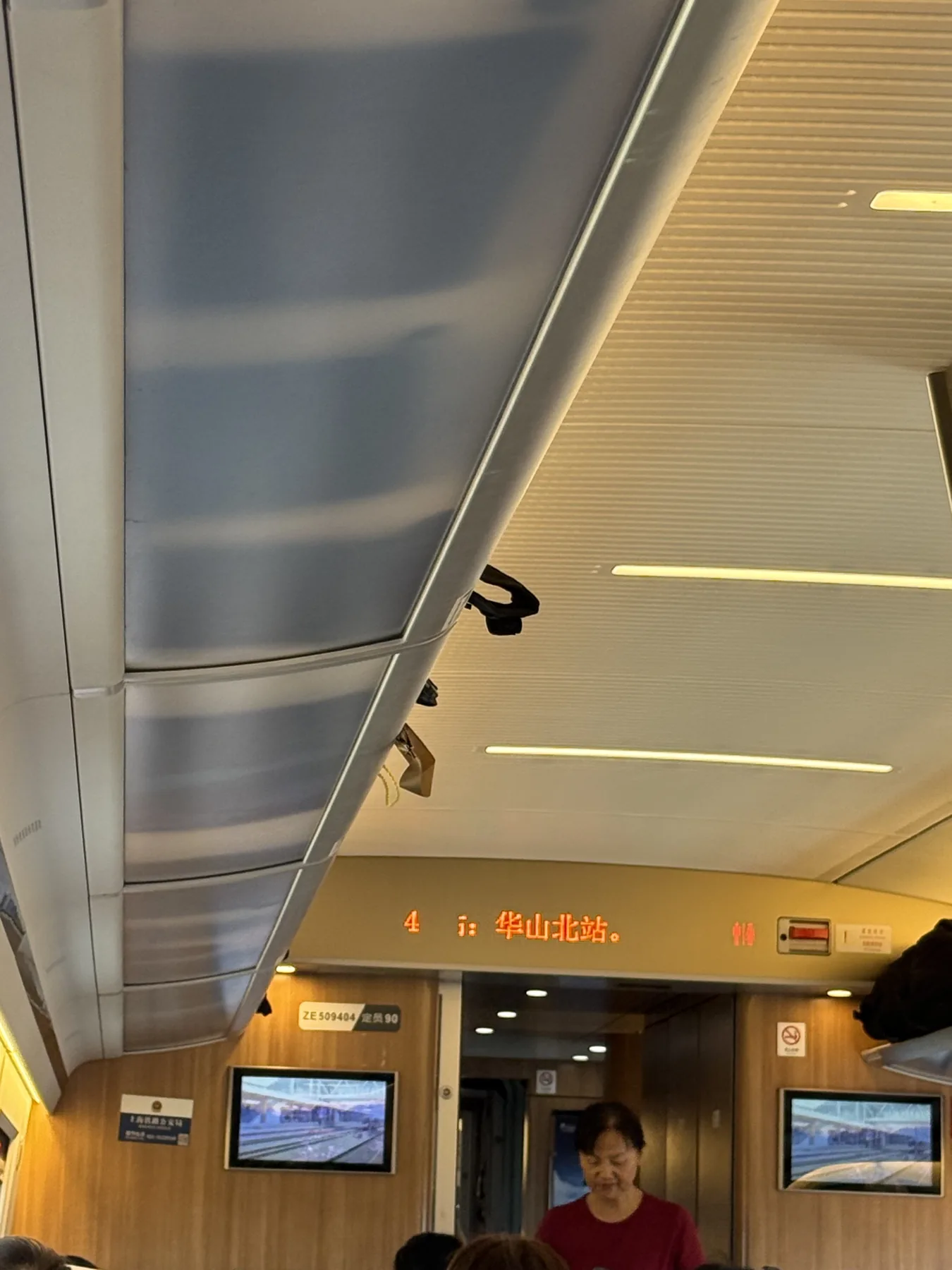
The train ride itself was easy. After about 30 minutes, get off at Huashan North Railway Station (华山北站).
06 From Huashan North (华山北站), go to the visitor center
Arriving at Huashan North does not mean you are at the mountain entrance yet. You first need to reach the visitor center area where entry and mountain shuttles are handled.
I had heard there was a free bus, but I chose a taxi because I did not want another layer of searching. It cost me about RMB 20.
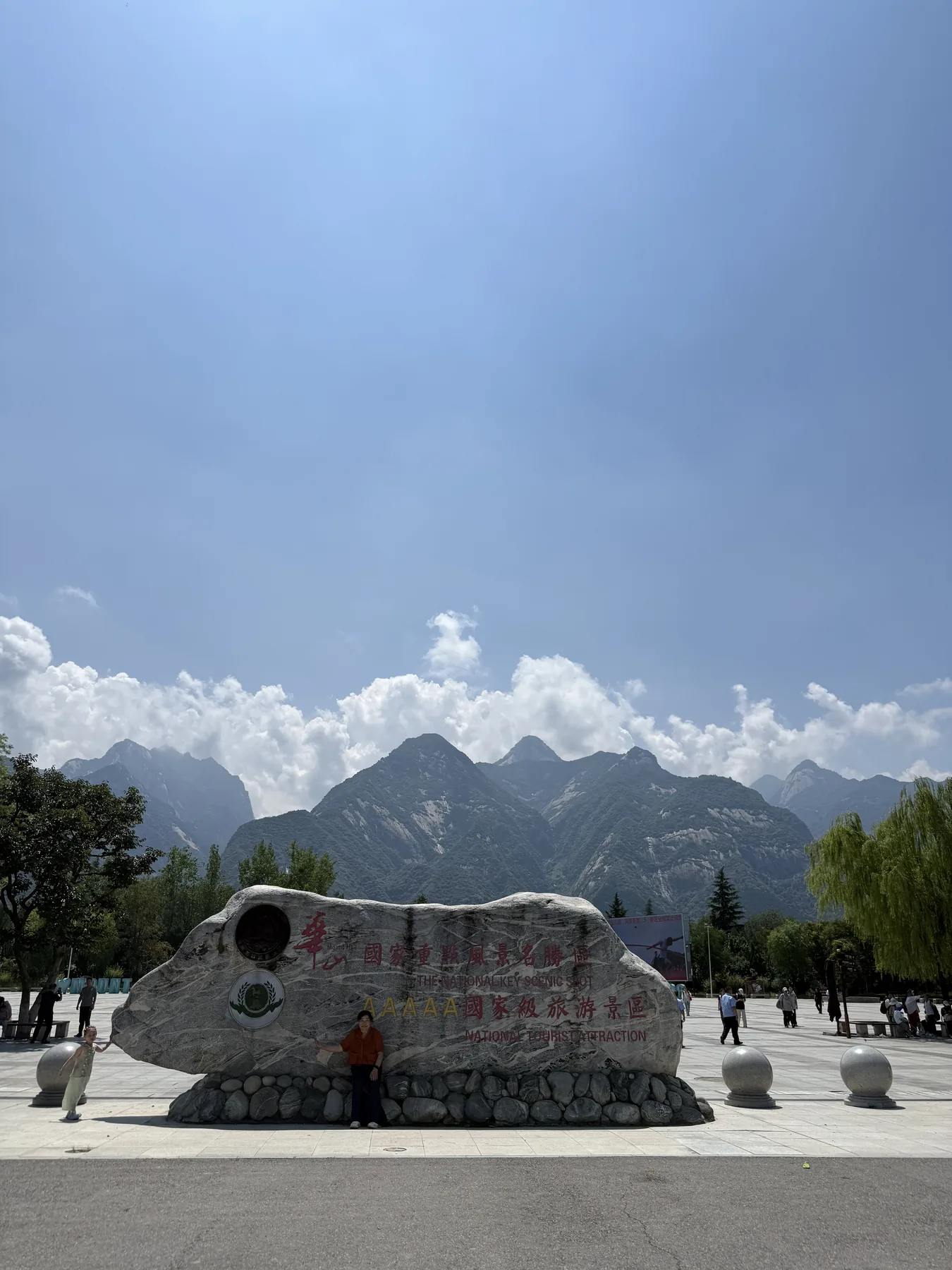
Walk straight in from this area. You will pass an entrance checkpoint, but when I visited, I first needed the ticket office farther to the right.
The ticket office was smaller than I expected, near the souvenir-shop area.
There I bought Huashan entry and the shuttle toward West Peak.
The shuttle from the North Peak side back to the visitor center later cost me RMB 20.
These are the amounts I personally paid. Prices and ticket conditions can change, so treat them as a practical reference rather than a guaranteed current fare.
07 My route: West Peak (西峰) up, North Peak (北峰) down
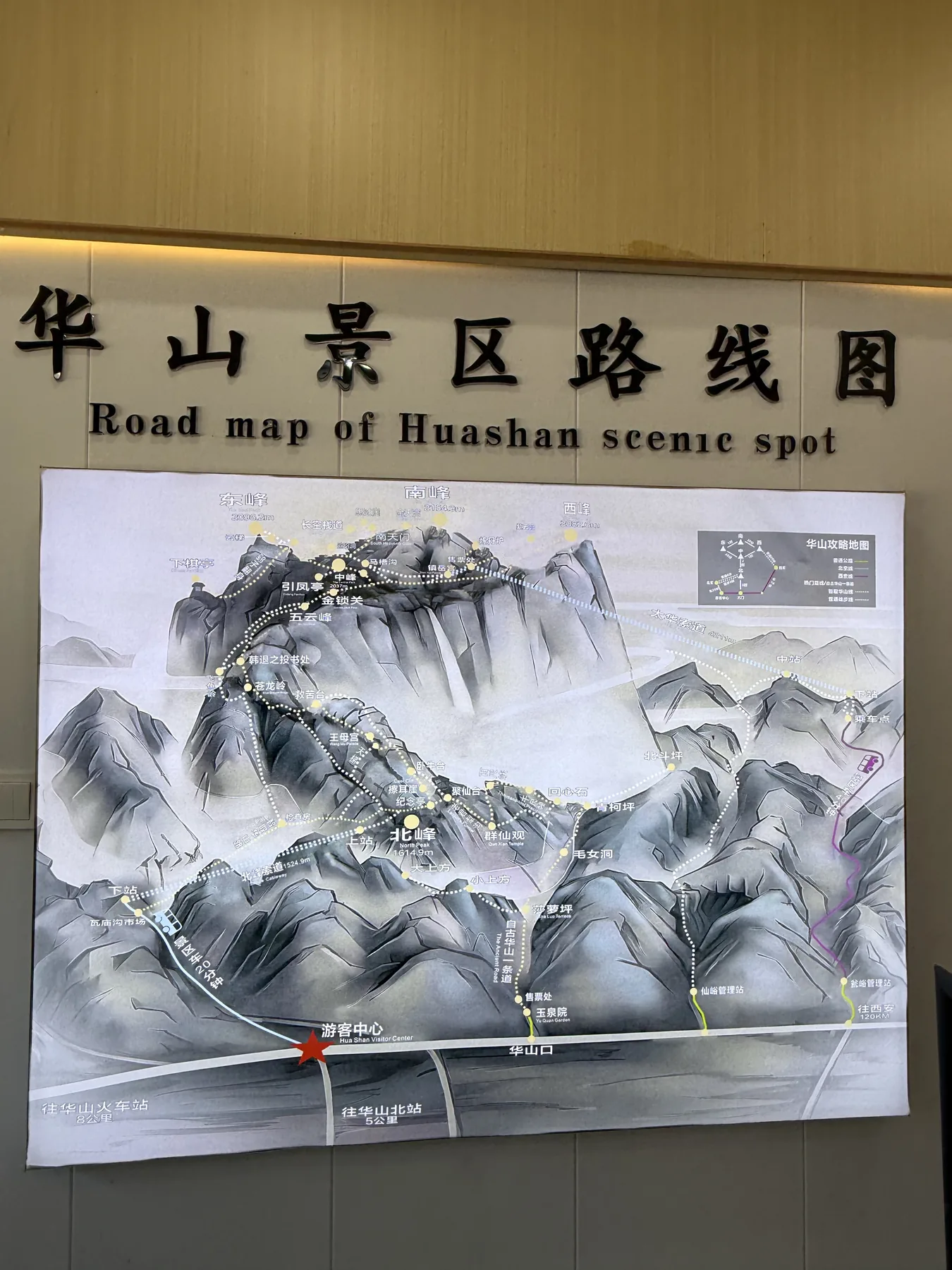
My plan was:
West Peak 西峰 cable car → cross the peaks → North Peak 北峰 cable car
I chose this because it puts you high on the mountain first, then lets you work across the peaks toward the lower North Peak side.
Before buying the tickets, I wanted to confirm that the North Peak cable car was operating. If you cross the mountain expecting to descend there and it is not running, your whole day changes.
Show this to the staff if you are planning the same route:
你好,我想买华山门票和去西峰的景区巴士票。请问今天北峰索道正常运行吗?
Hello. I’d like Huashan admission and the scenic-area bus ticket to West Peak. Is the North Peak cable car operating normally today?
You do not need to force yourself to pronounce everything perfectly. Showing the sentence was much easier for me.
08 After buying the tickets, return to the entrance
Go back to the checkpoint you passed earlier and show your passport. After entering, the route splits.
North Peak is to the left; West Peak is to the right.
I was heading up via West Peak, so I went right, joined the queue, showed my passport again and boarded the West Peak shuttle.
The bus ride took about 40 minutes when I went—longer than I expected.
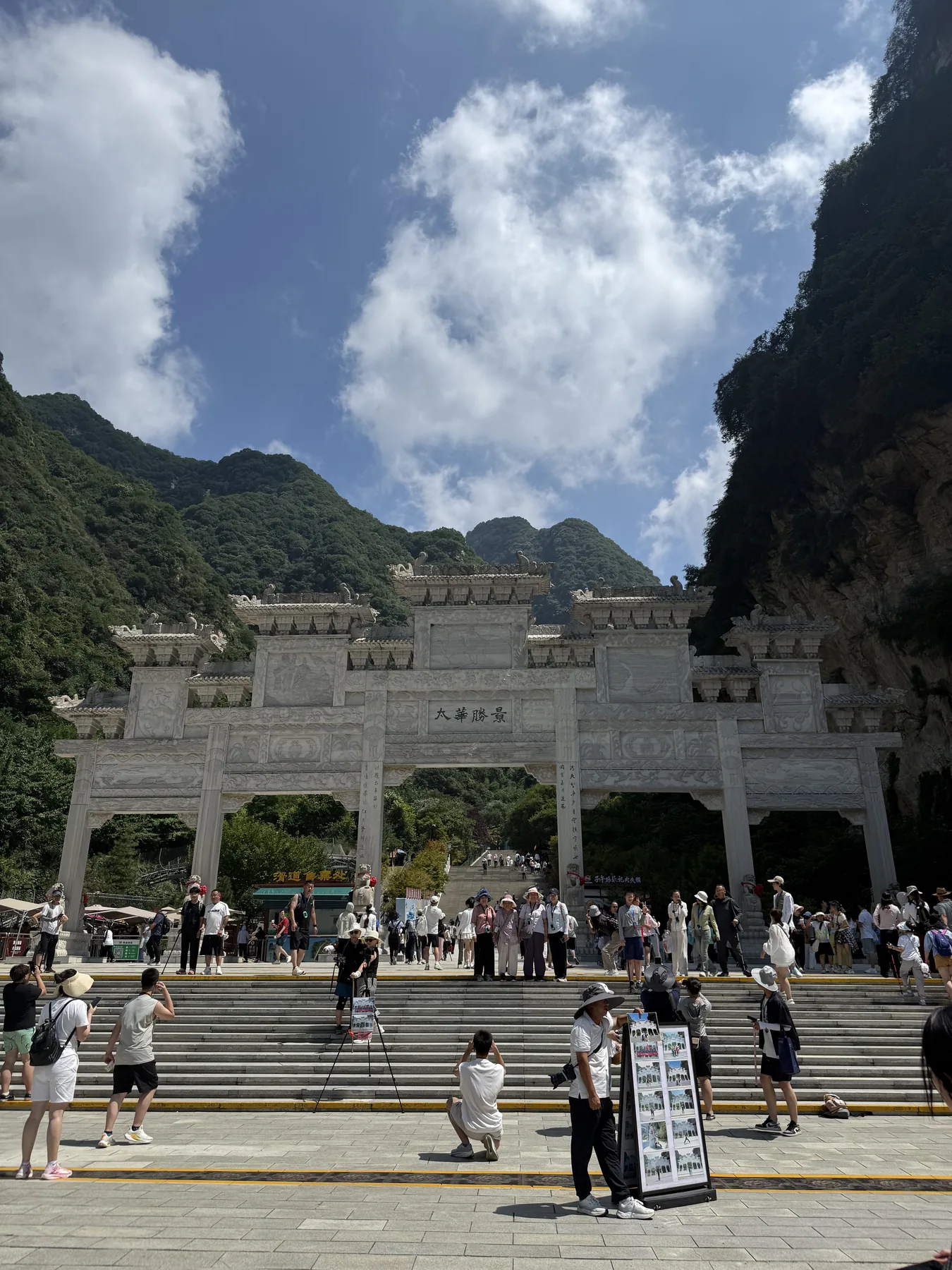
Only now did it finally feel like I had reached Huashan.
And I still had not boarded the cable car.
09 The queue starts long before the West Peak cable car
Follow the crowd uphill after the shuttle. Reaching the cable-car area does not mean you board immediately.
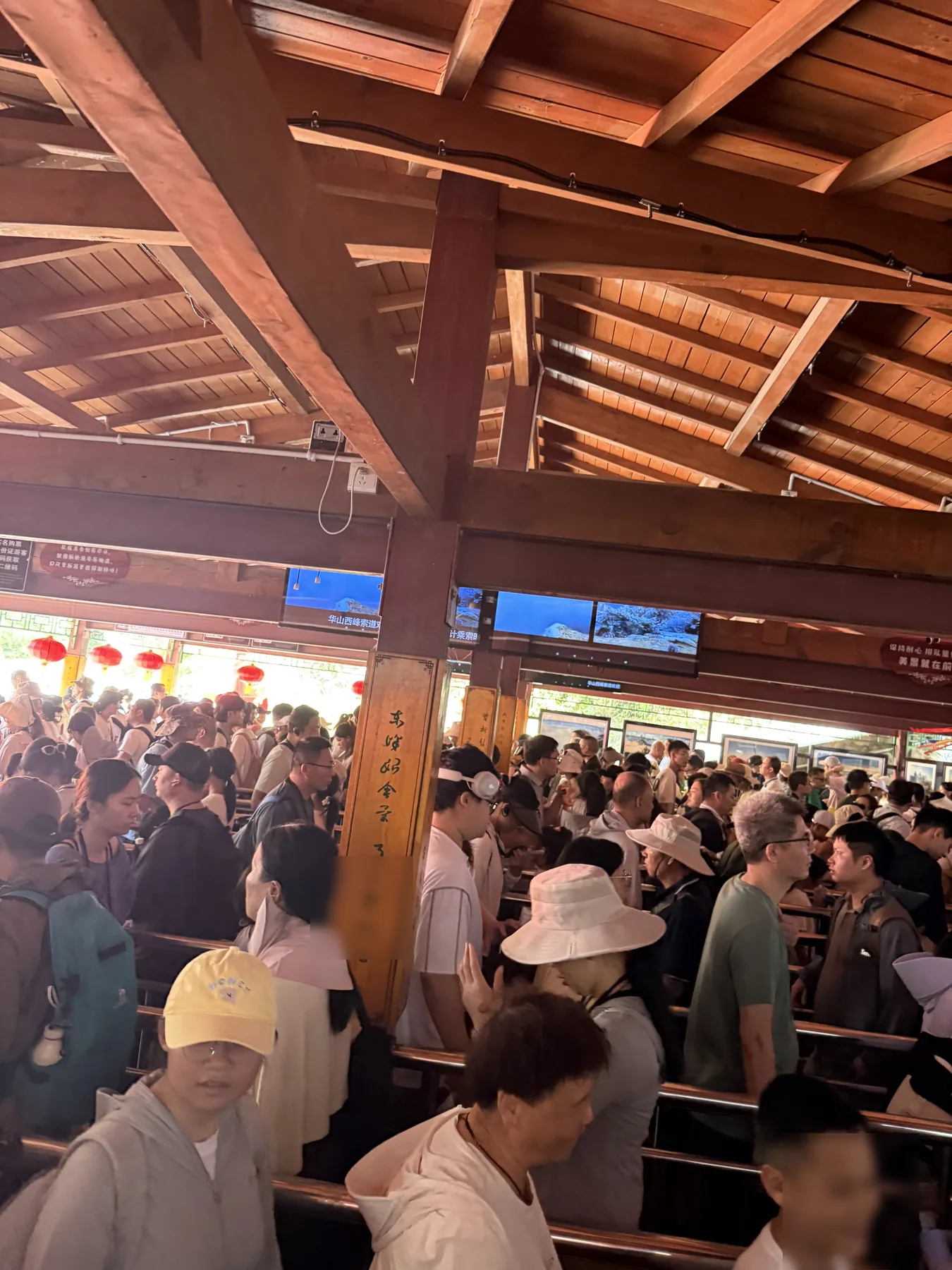
When I visited, the wait was broken into roughly four separate queue sections. A section could take around 15 minutes when moving well, or closer to 30 minutes when crowded.
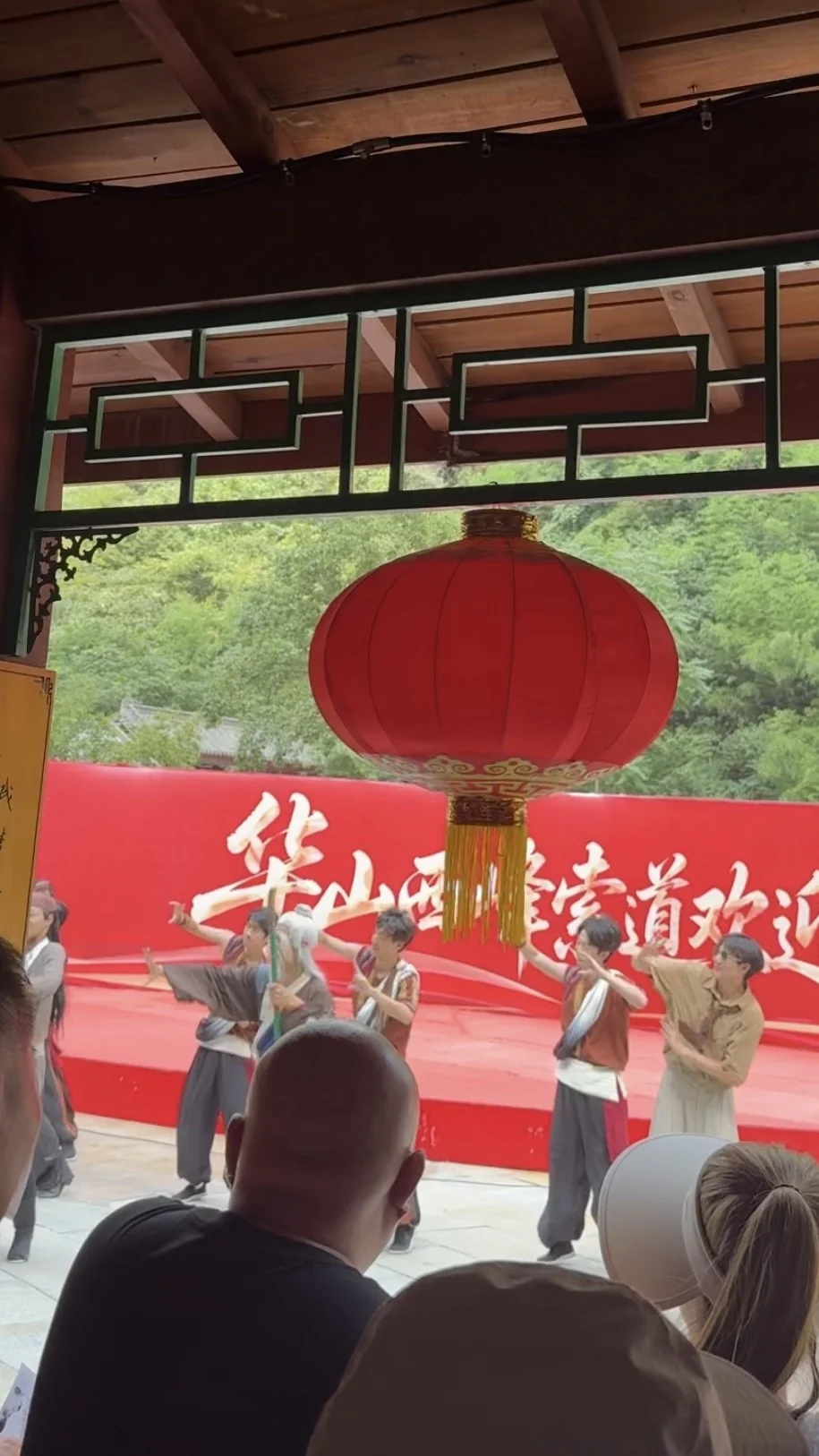
At the first queue, staff were handing out ice cream. It was hot, so I happily took one.
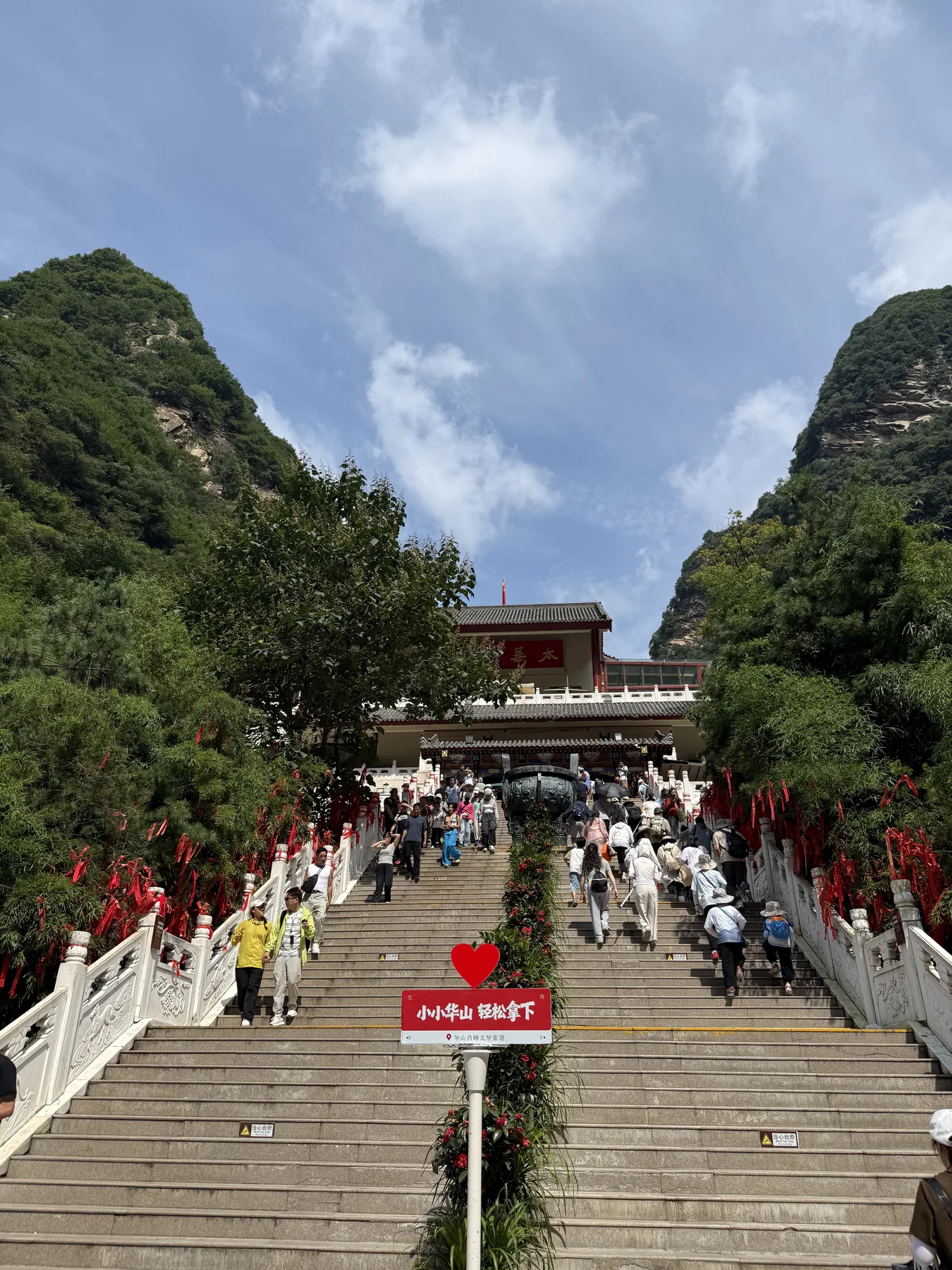
There was also a choice between walking uphill and paying RMB 30 for a short luge-style ride that skipped part of the climb.
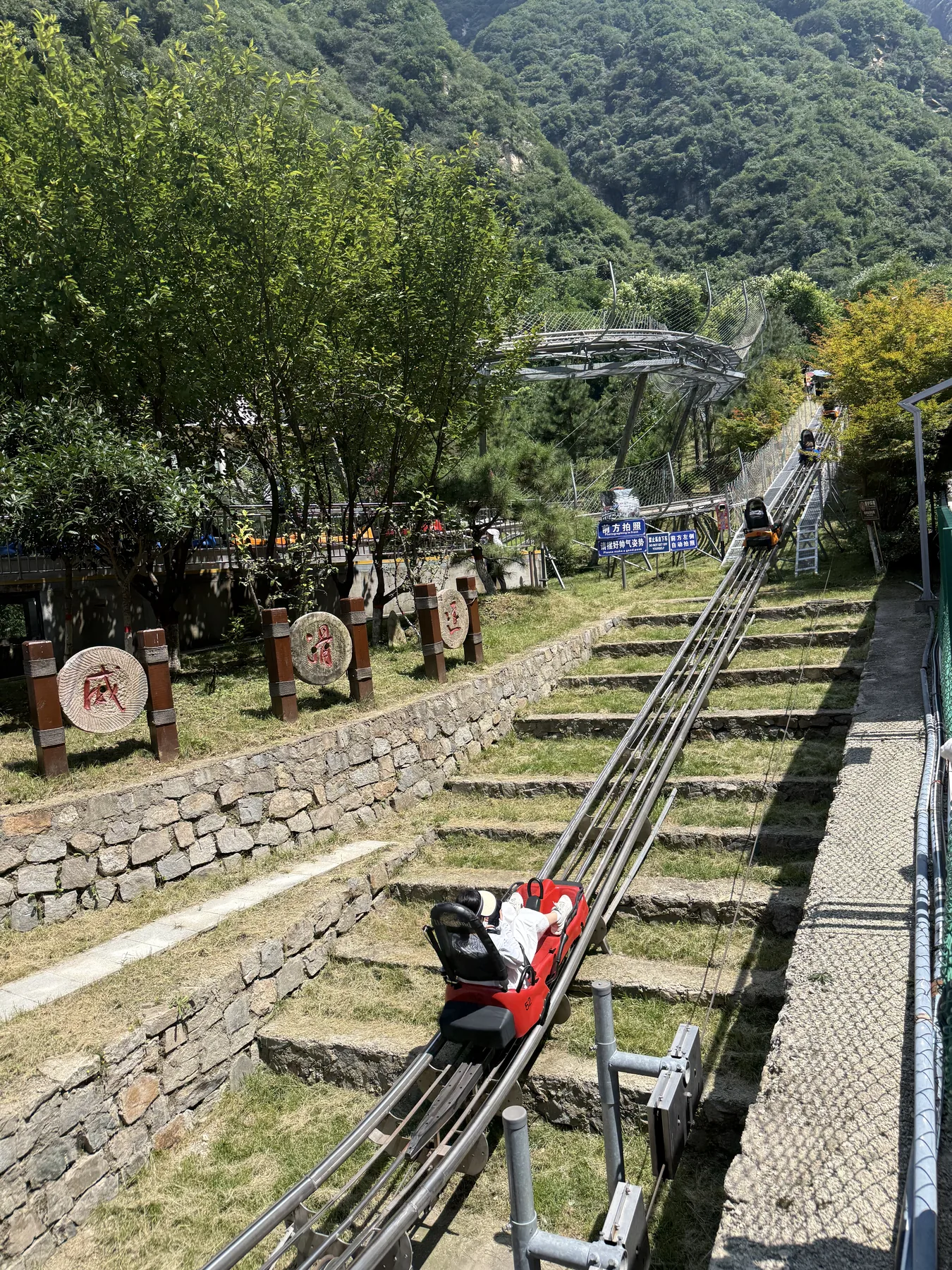
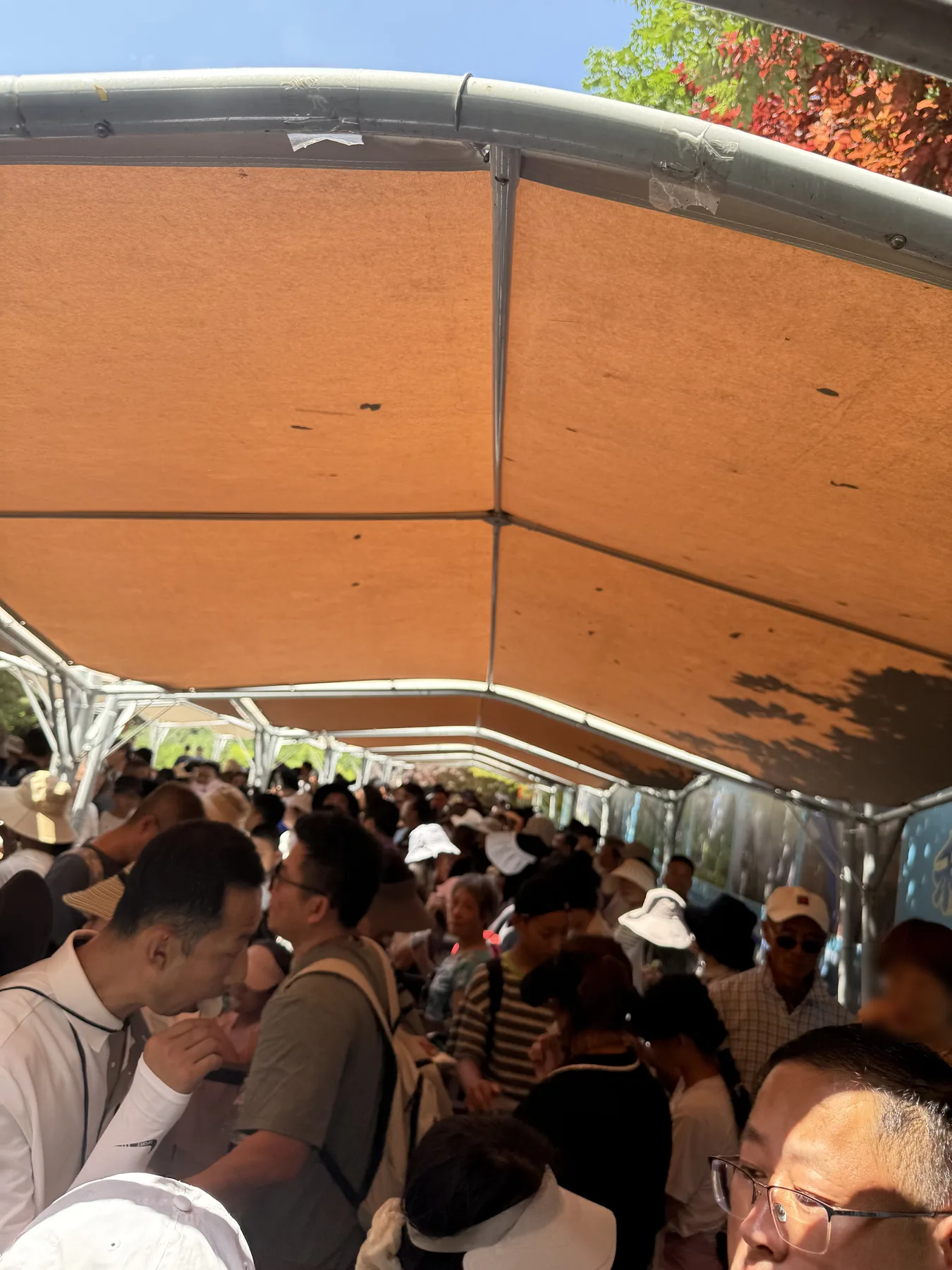
The ride brought people to around the front of the second queue section, so it is an optional shortcut if you would rather save your legs.
10 I bought the West Peak cable-car ticket right before boarding
Just before the ticket check, I found machines selling the cable-car ticket, with staff nearby to help.
The West Peak cable car cost me RMB 140.
From arriving at the visitor-center area to finally boarding, the whole process had already taken a lot of time. The cable-car queues alone were around 90 minutes for me.
It was exhausting—and the hike had not even started.
11 At West Peak (西峰), go right first
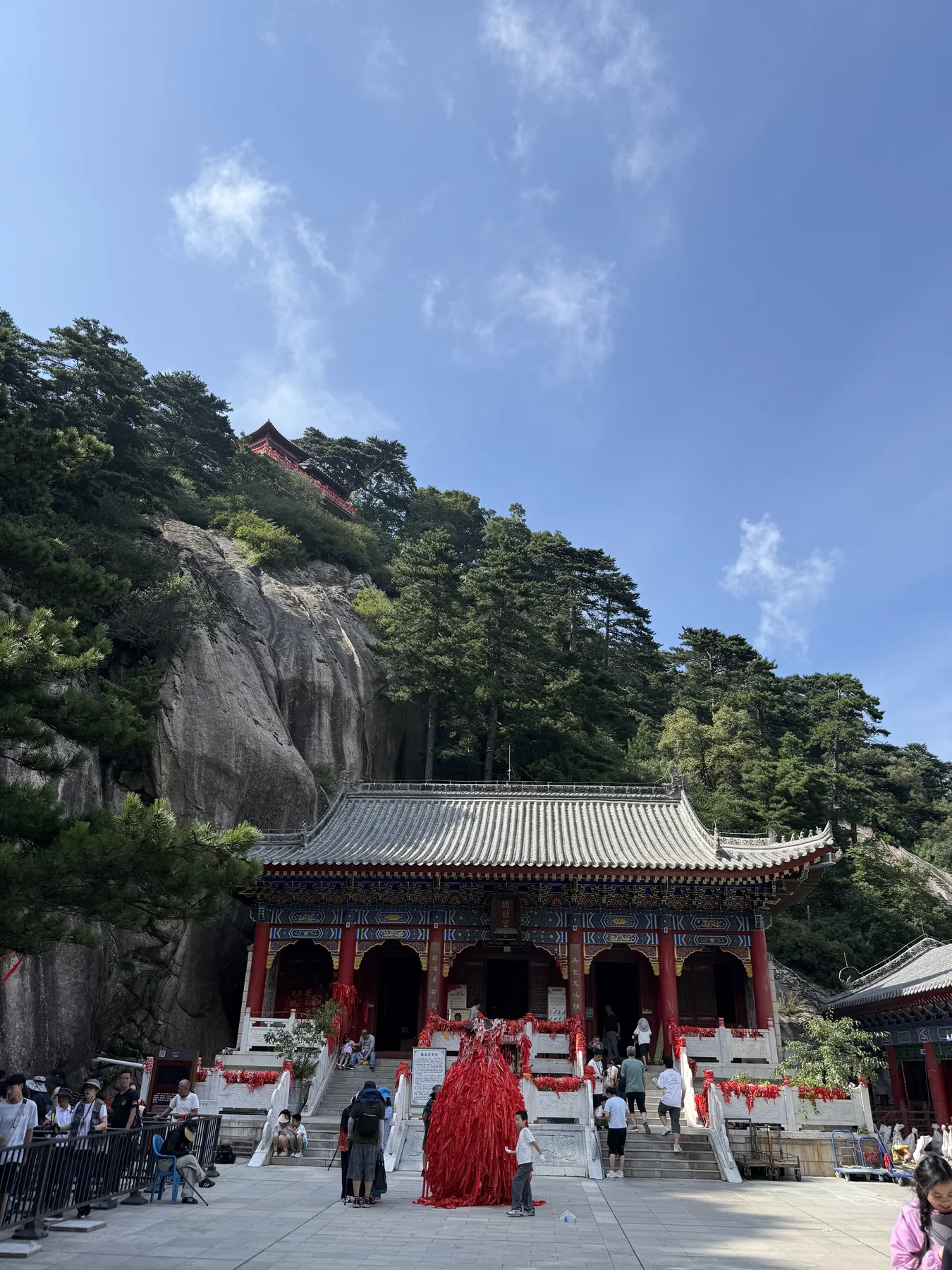
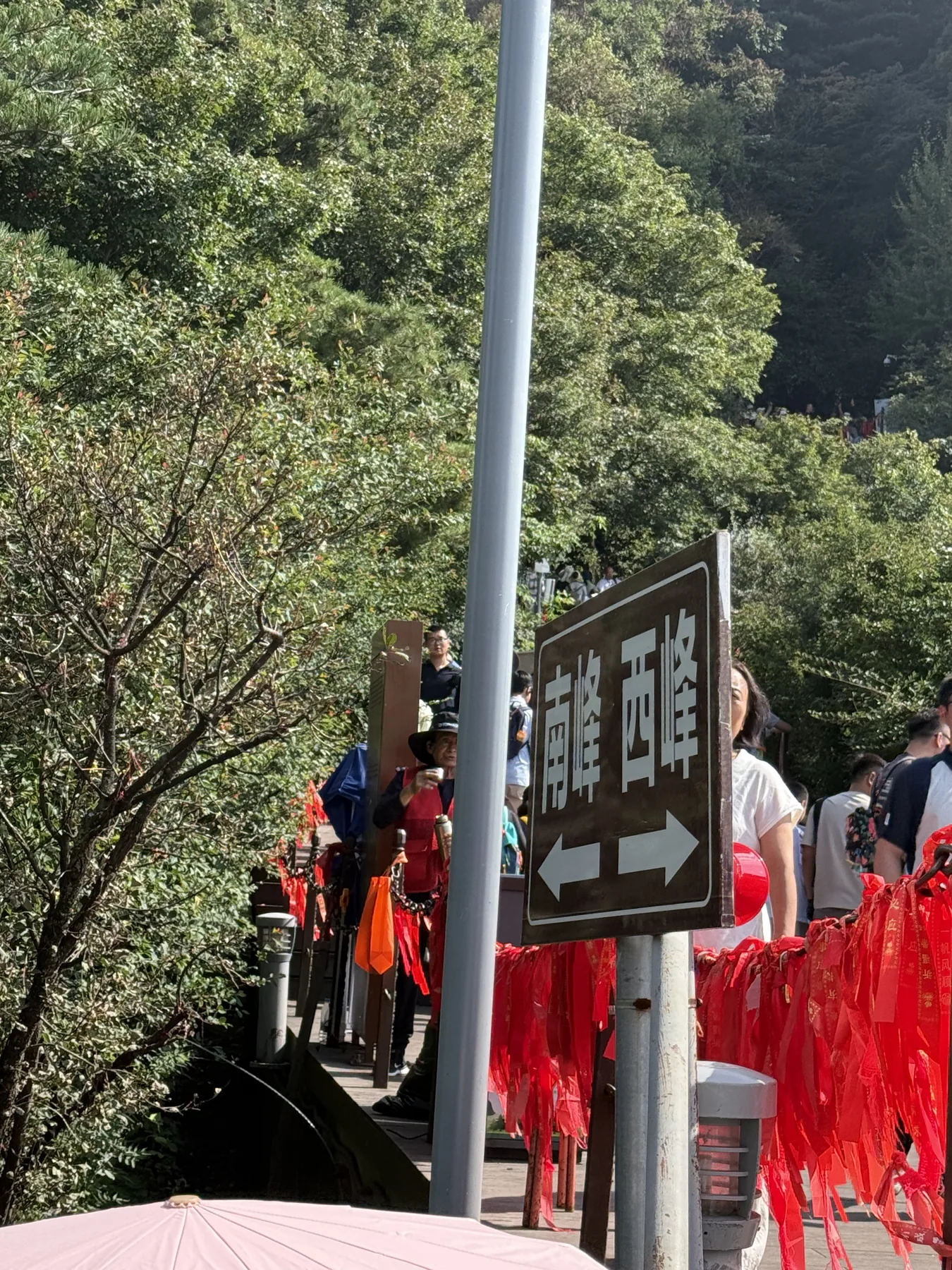
After the cable car, I passed the temple-like building and continued uphill. Soon the path split:
- Right → West Peak 西峰
- Left → South Peak 南峰 · East Peak 东峰 · Middle Peak 中峰 · North Peak 北峰
I went right first to visit West Peak.
At this point I checked the clock. From getting off the train at Huashan North to reaching the upper mountain area, about 3 hours 30 minutes had passed.
It was roughly 3:30 p.m. I still believed the cable cars finished at 7 p.m., and I had seen estimates of around 3½ hours to move across the peaks.
The math did not work.
So I started moving faster.
12 I used the quieter stretches to make up time
By “faster,” I do not mean running recklessly. Huashan was extremely crowded.
Whenever a clear stretch opened up, I used it to move ahead. In the bottlenecks, everyone slows down anyway.
That became my rhythm: move when there is room, recover when the crowd forces you to stop.
I took a few photos at West Peak, enjoyed the view, and then continued toward the other peaks.
13 West Peak (西峰) → South Peak (南峰) → East Peak (东峰) → Middle Peak (中峰)
Following the trail from West Peak brings you toward South Peak (南峰). I stopped for the view and photos, then kept moving.
Farther on, the famous Plank Walk in the Sky / Changkong Zhandao (长空栈道) appears off to the right.
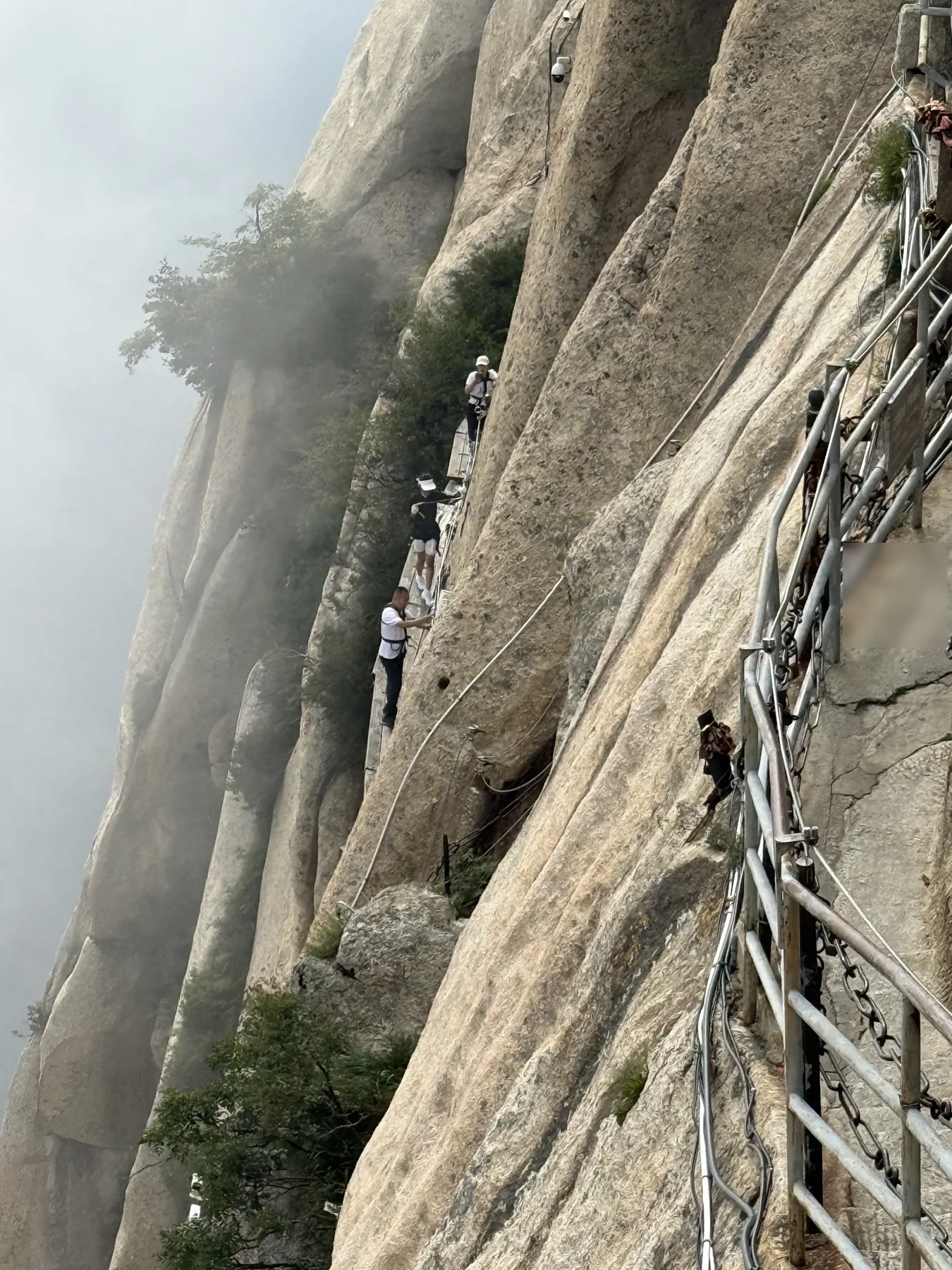
I did not have enough time to do it, so I only watched for a moment and continued.
Another junction appears:
- Right → East Peak 东峰
- Left → Middle Peak 中峰
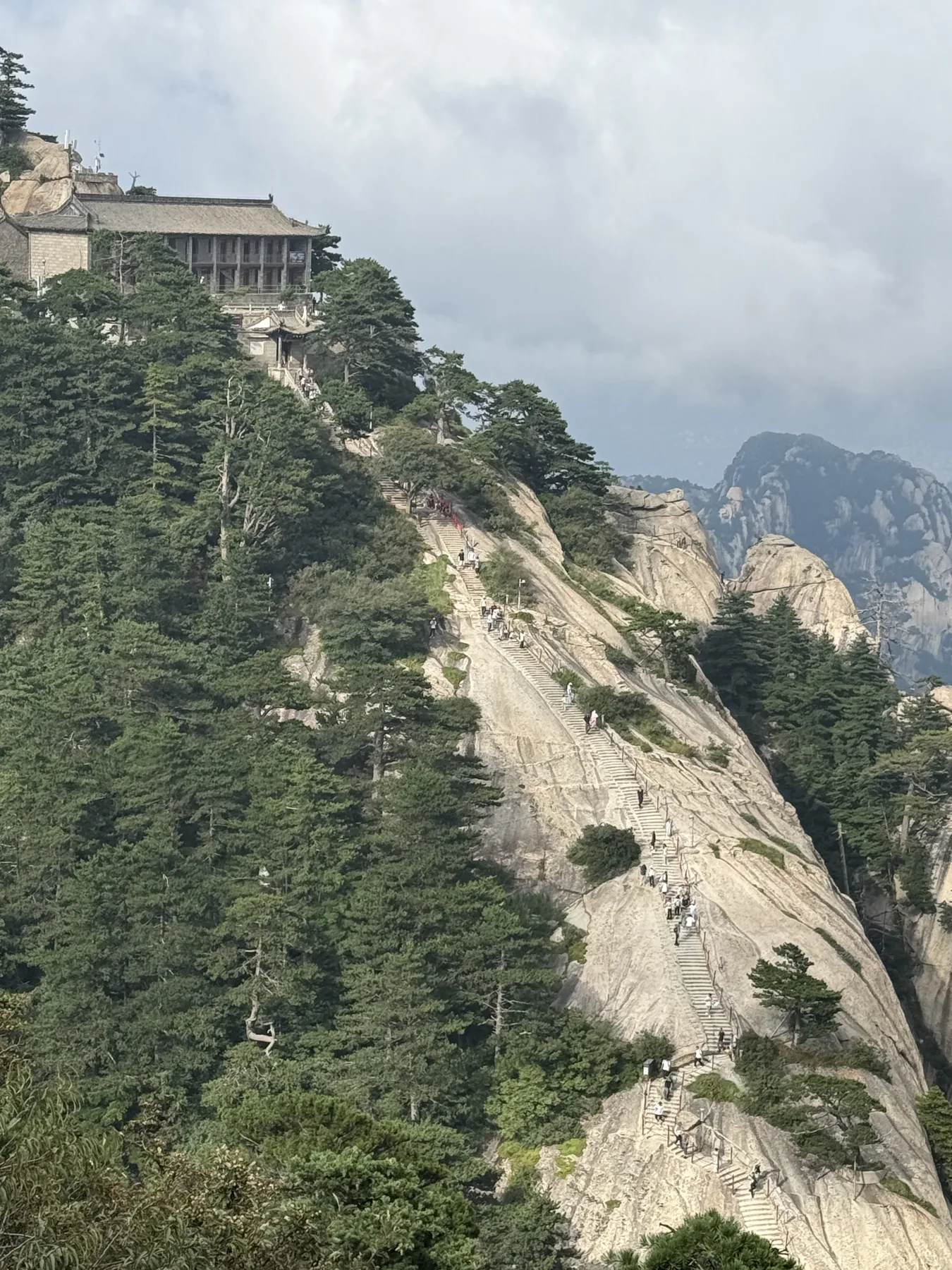
If you are deciding whether East Peak is worth the effort, I would include it. The climb takes some energy, but I preferred the view there to Middle Peak.
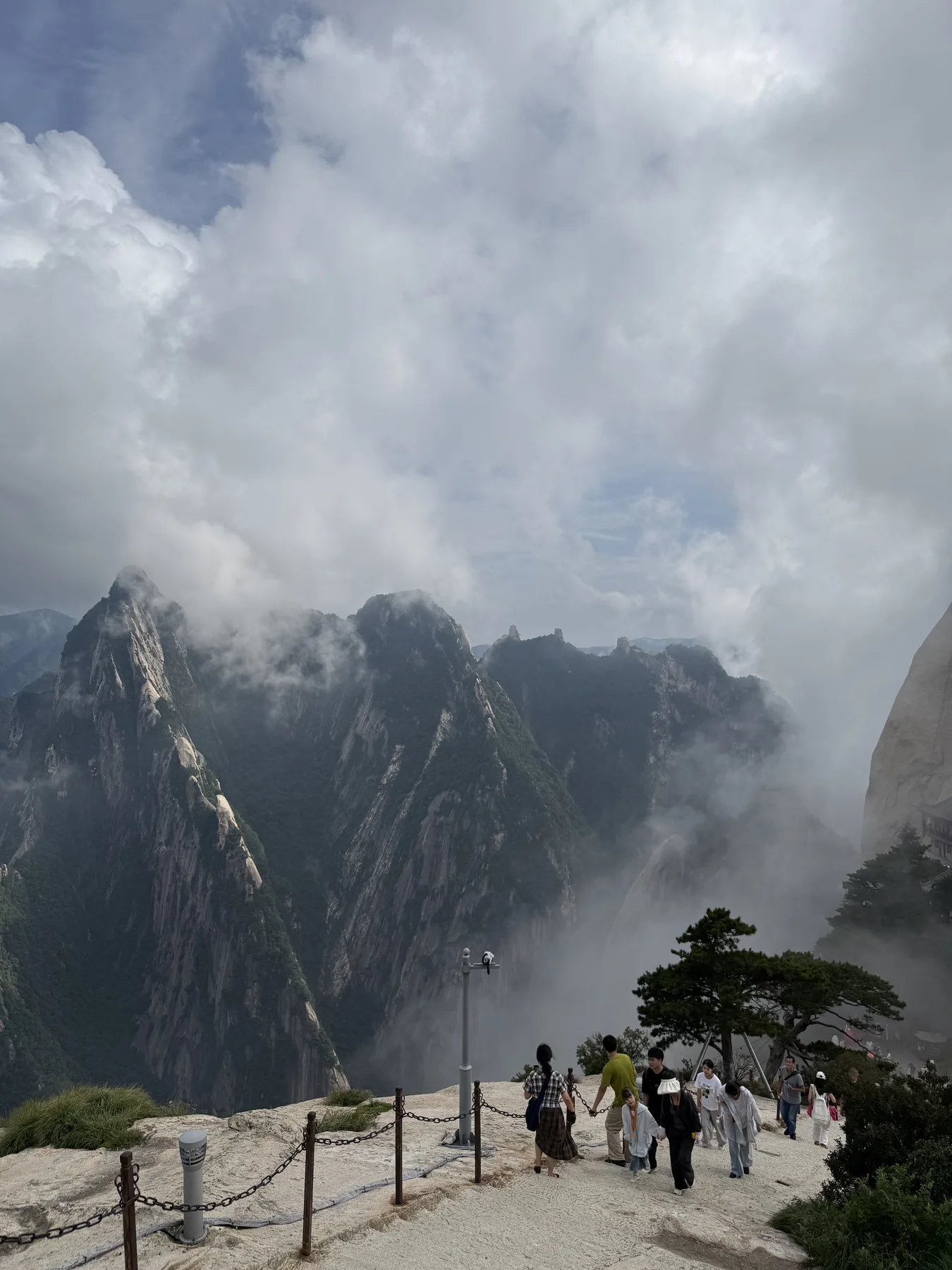
After East Peak, I came back down and continued to Middle Peak.
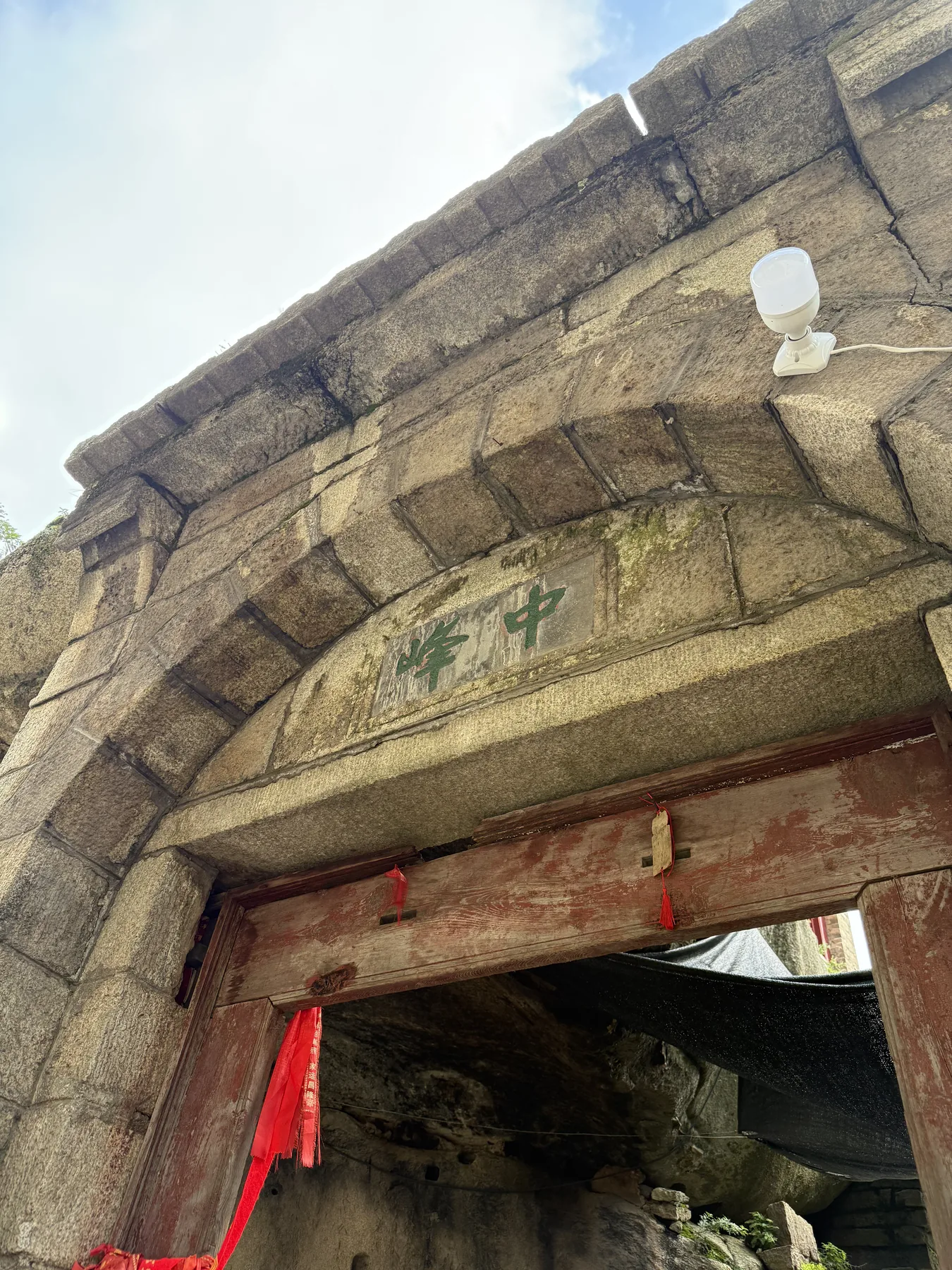
From there, the final direction for my route was North Peak (北峰).
14 On the way to North Peak (北峰), I started seeing a strange line
While heading down from Middle Peak, I noticed a long line of people coming from the North Peak side and trying to move toward West Peak.
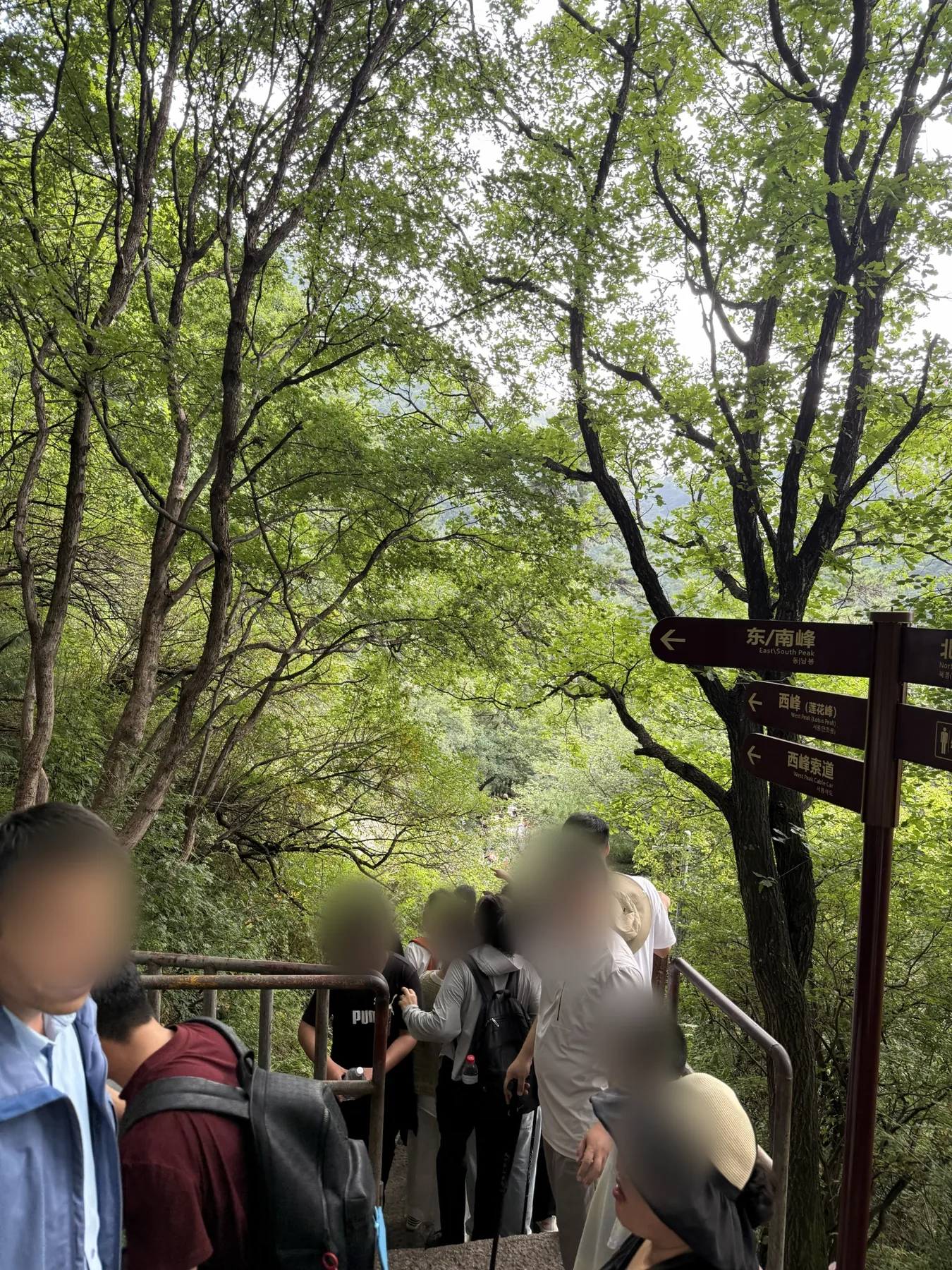
I remember thinking: if they still have several peaks ahead of them and the trail is already this congested, how are they going to make the cable car?
I kept moving because my own return time was getting tight.
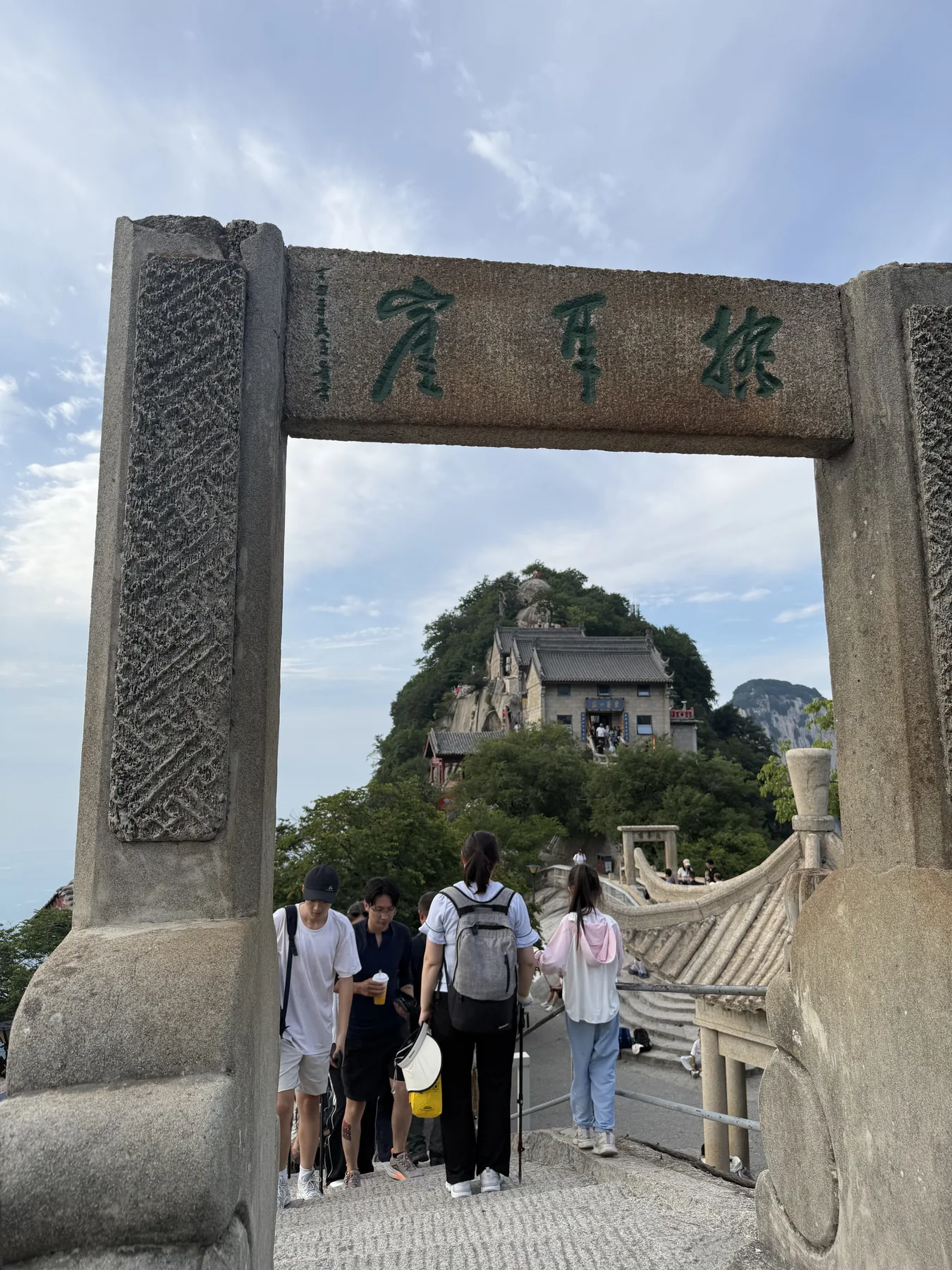
I briefly climbed to a viewpoint that looked good, took one photo, and came back down.
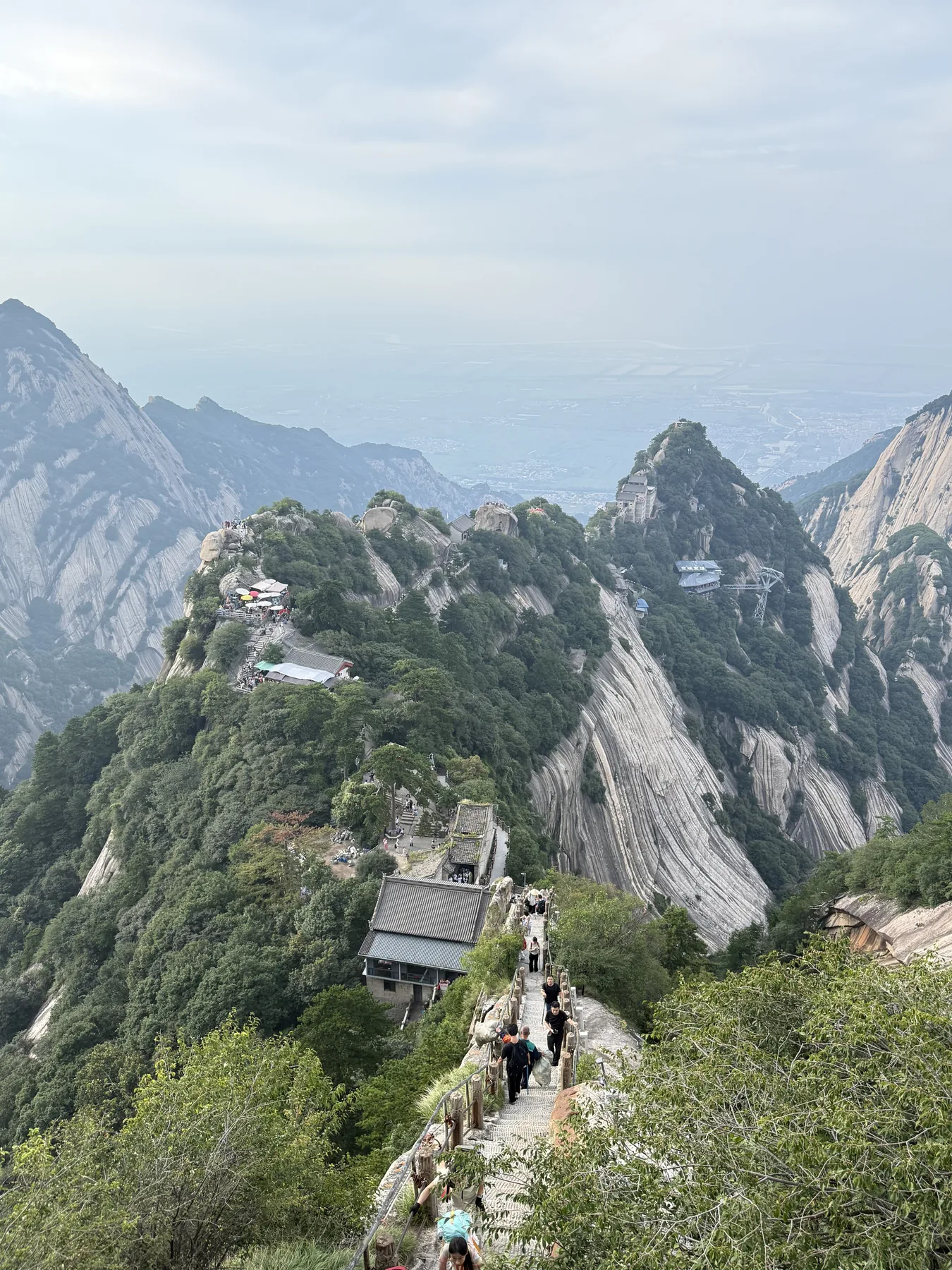
By the time I reached the North Peak area, it was about 6:10 p.m. I skipped the actual summit and headed straight for the cable-car station.
15 North Peak cable car (北峰索道): “The wait is three hours”
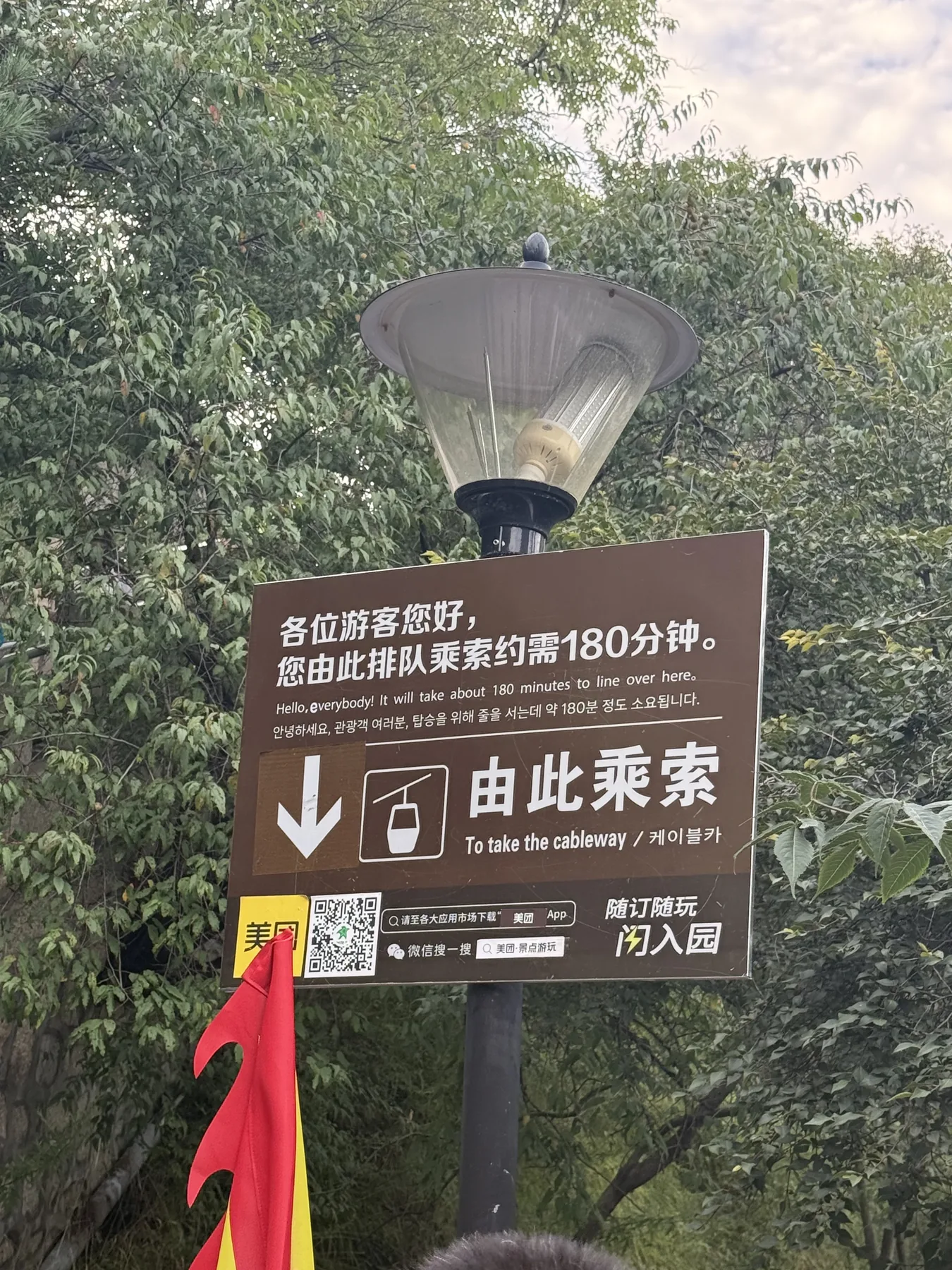
I bought the North Peak cable-car ticket for RMB 80 and asked the staff how long I would have to wait.
Three hours.
That was the moment the day changed.
I asked again whether I would still be able to ride the cable car that night. The answer was yes.
Suddenly the huge line I had seen earlier made more sense. People were clearly expecting the cable-car operation to keep processing the crowd much later than I had assumed.
So I joined the line.
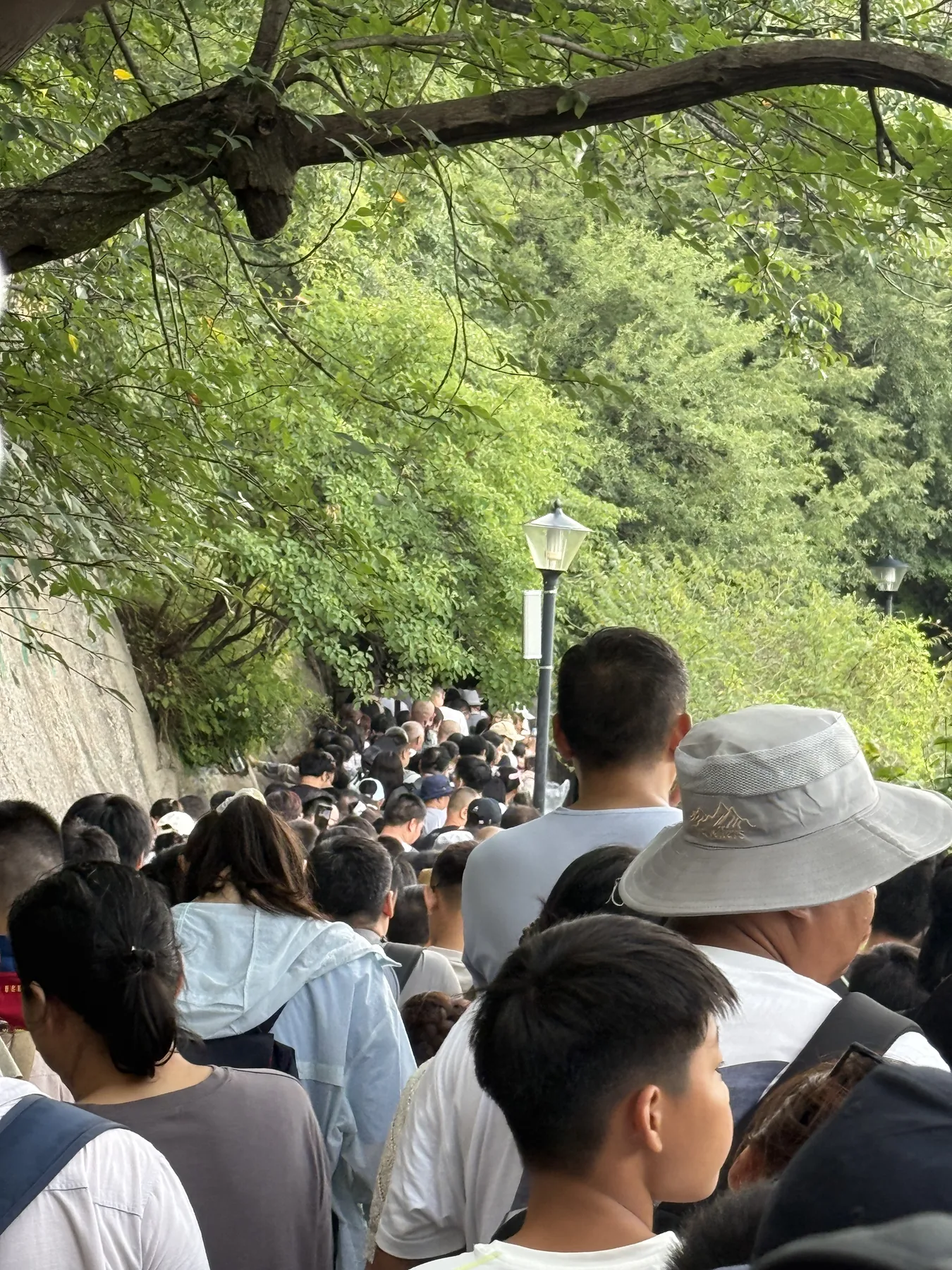
16 I had already missed my train
As soon as I joined the queue, I knew my pre-booked return train to Xi'an was gone.
The bigger worry became: what if there are no more train seats tonight at all?
After about an hour of worrying, I decided to treat the taxi as my emergency fallback. At the time, I found that a taxi all the way back to Xi'an would cost roughly US$56 (KRW 80,000). Expensive, but at least it meant I was not stranded.
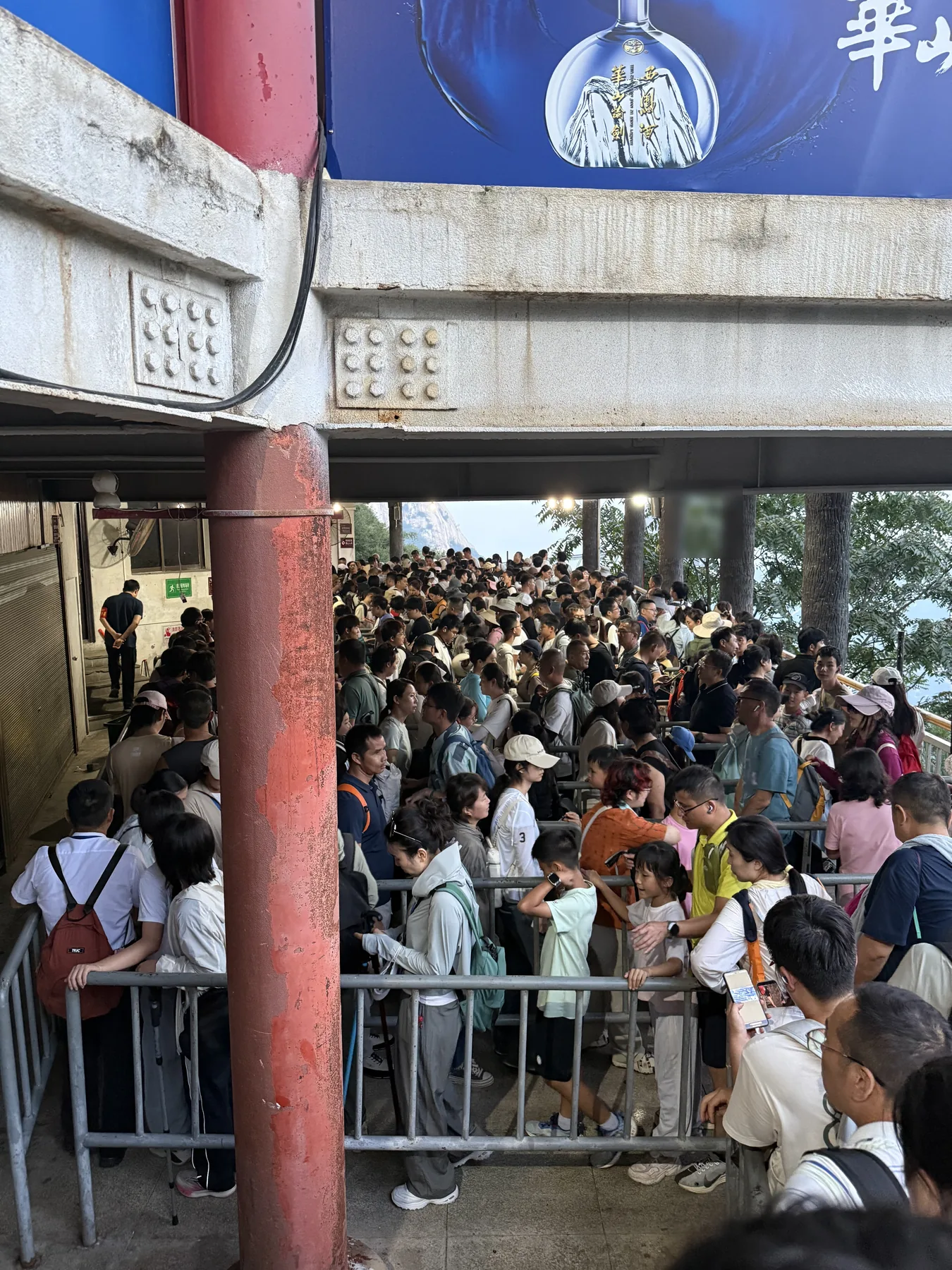
In the end, I waited about two hours, not the full three.
Staff also handed out snacks such as rice cake and raisins. Earlier there had been ice cream and even a performance.
The mountain clearly knows its queues are part of the experience.
17 In hindsight, I did not need to rush quite so much
The biggest lesson from my day was this: arriving at West Peak a little late did not necessarily mean I had to race across the mountain the way I did.
Operating conditions vary by date and season, so always check on the day. But on my visit, people were still being moved through the cable-car system well into the evening.
I had spent the mountain portion thinking, “I must be down before 7,” only to spend two hours waiting in the descent line anyway.
If I had known that, I would have enjoyed the peaks more slowly.
If I went again, I would confirm the day’s operating situation with staff, then give myself more breathing room on the mountain instead of relying on one assumed closing time.
18 After the cable car, return to the visitor center
Once the North Peak cable car finally brought me down, I bought the shuttle back toward the visitor center for RMB 20.
The ride took about 20 minutes.
By now, my original train was long gone, so I called DiDi (滴滴) as soon as I reached the visitor-center area.
The driver called me and spoke Chinese. I could not understand, so I used one sentence I knew would make the situation clear:
我是韩国人,听不懂。
Wǒ shì Hánguó rén, tīng bù dǒng.
I’m Korean, and I don’t understand Chinese.
Then I focused on finding the car as quickly as possible.
19 I bought another train ticket at Huashan North (华山北站)
Back at Huashan North, I went through security again and headed straight for the ticket counter.
I was genuinely worried there would be no seats left, but there was an available train.
The new ticket cost RMB 55.
Show this if you need the earliest available train back to Xi'an:
你好,请帮我买最早一班去西安北站的二等座车票,谢谢。
Hello. Please give me the earliest available second-class ticket to Xi'an North Railway Station. Thank you.
I ended up boarding the 9:50 p.m. train. The seats looked almost full once I was on board.
After a very long day, I finally made it back to Xi'an North Railway Station (西安北站).
20 What I learned from a Huashan day trip
This was my first time turning one of my trips into a full practical guide, so I have intentionally left in some of the small stories as well as the logistics.
The main thing I learned is simple:
The mountain is tiring. The queues can be even more tiring.
Huashan itself takes energy, but on a busy day the cable cars and bottlenecks can consume far more time than you expect.
If you are planning a day trip, build in more time than your ideal schedule says you need.
I would also avoid treating an assumed cable-car closing time as a hard fact. Ask staff on the day, especially if your return train depends on it.
It was exhausting, but looking back, the delays, confusion and problem-solving are part of why I remember this Huashan trip so clearly.
STORIES
Traveler stories
Loading…